Winter snow and freezing temperatures pose unique challenges for excavator operations—from reduced engine efficiency and hydraulic system risks to slippery terrain hazards. For construction, mining, or municipal teams working in snow-prone regions, proper operation and maintenance are critical to ensuring equipment reliability, operator safety, and minimized downtime. SECSUN, with years of experience engineering machinery for extreme conditions, shares this comprehensive guide to help you navigate winter snow operations with confidence.
Whether you’re clearing snow from roads, working on winter construction projects, or maintaining sites in sub-zero temperatures, these tips will protect your excavator and keep operations running smoothly.
Part 1: Pre-Operation Preparation – Lay the Foundation for Safe Winter Work
Cold temperatures and snow can compromise critical systems if not addressed before startup. Spend 10–15 minutes on these key checks:
1.1 Fuel Management
Use Winter-Grade Fuel: Switch to diesel fuel with a low pour point (e.g., -35°C or lower) to prevent gelling in freezing conditions. Add a fuel anti-gel additive to further reduce the risk of fuel line blockages—SECSUN recommends products compliant with your excavator’s engine specifications (Cummins).
1.2 Machine Warm-Up – Avoid Sudden Stress
Idling Phase: Start the engine and let it idle for 5–10 minutes (longer in temperatures below -10°C) to gradually warm the engine, hydraulic system, and undercarriage. Never rev the engine immediately—this strains cold components.Cycle Hydraulic Functions: After idling, slowly operate the boom, arm, and bucket through full ranges of motion 3–5 times. This circulates warm hydraulic fluid, preventing pressure buildup and ensuring smooth operation.
1.3 Safety Equipment & Site Preparation
Equip for Snow Visibility: Install snow shields on the cab windows to reduce glare and keep glass clear. Ensure windshield wipers and defrosters are functional, and stock extra washer fluid (winter-grade, -25°C freeze point). Assess Terrain: Walk the work area to identify hidden hazards—frozen puddles, snow-covered holes, or icy patches.
Part 2: In-Operation Best Practices – Navigate Snow & Ice Safely
Even with proper preparation, winter conditions demand cautious operation. Follow these guidelines to protect the machine and operator:
2.1 Terrain & Mobility
Avoid Icy Surfaces: Reduce travel speed on snow or ice, and avoid sudden turns or stops—this minimizes the risk of skidding. Use low gear for better traction, and engage differential locks (if available) on particularly slippery terrain.Prevent Track Spin: If tracks start to slip, stop immediately and back up slowly. Clear snow or ice from the area, or place gravel/sand under tracks for extra grip. Never “power through” spin—this damages tracks and wastes fuel.
2.2 Snow-Clearing Specifics (If Applicable)
Use the Right Attachment: For snow removal, opt for a wide snow blade or snow pusher attachment (SECSUN offers custom-fit blades for most excavator models). Avoid using standard buckets for heavy snow—they’re less efficient and can strain the hydraulic system.
2.3 Operator Comfort & Safety
Stay Warm & Alert: Keep the cab heated (SECSUN cabs feature efficient heating systems with adjustable vents) and wear layered, non-slip clothing. Cold fatigue impairs judgment—take short breaks every 2 hours.
Maintain Visibility: Use the cab’s rearview camera (standard on SECSUN’s 2025 excavators) to monitor blind spots, as snow can obscure visibility. Keep windows clean with a snow brush, and avoid operating in whiteout conditions.
Part 3: Post-Operation Maintenance – Protect Your Machine Overnight
Proper shutdown procedures are critical to preventing freeze damage in sub-zero temperatures:
3.1 Cool Down & Store Correctly
Gradual Shutdown: After operation, let the engine idle for 3–5 minutes to cool down gradually—this prevents thermal shock to components.Park in a Sheltered Area: Whenever possible, store the excavator in a heated garage or shed. If outdoor storage is necessary, park on a level surface, lower the boom and bucket to the ground (relieves hydraulic pressure), and cover the engine with a thermal blanket. Drain Water Traps: Empty fuel tank water traps to prevent freezing and corrosion. SECSUN excavators have easily accessible drains for quick maintenance.
3.2 Long-Term Storage Tips (If Not In Use)
Protect Hydraulic System: Cycle the hydraulic functions to release pressure, then add a hydraulic system protector to prevent moisture buildup. Cover Exposed Parts: Use waterproof covers for the cab, engine, and attachment to keep snow and ice out of sensitive components.
Part 4: Troubleshooting Common Winter Issues
Even with proper care, issues may arise. Here’s how to address them:
Frozen Fuel Lines: Use a fuel line heater (avoid open flames!) or move the machine to a warm area to thaw. Add anti-gel additive to the fuel tank once thawed. Hydraulic System Sluggishness: This is often due to cold fluid—extend warm-up time and cycle functions slowly until performance improves. If issues persist, check for leaks or low fluid levels. Tracks Freezing to the Ground: Pour warm (not boiling) water around the tracks to melt ice, then gently rock the excavator back and forth to free it.
SECSUN excavators are engineered to withstand winter’s harshest challenges, with features like:
Cold-start systems (reliable startup at -30°C)
Reinforced undercarriages to resist ice and snow damage
Heated cabs and defrosters for operator comfort
High-efficiency fuel systems that minimize gelling risks
Operating an excavator in winter snow requires careful preparation, cautious operation, and diligent maintenance. By following these tips, you’ll protect your equipment, reduce downtime, and ensure safe, efficient work—even in sub-zero temperatures. SECSUN is committed to supporting your winter operations with durable machinery and expert guidance. Stay safe and productive this winter with SECSUN!
 SECSUN Insights—How to Choose the Perfect Forklift for Your Business?
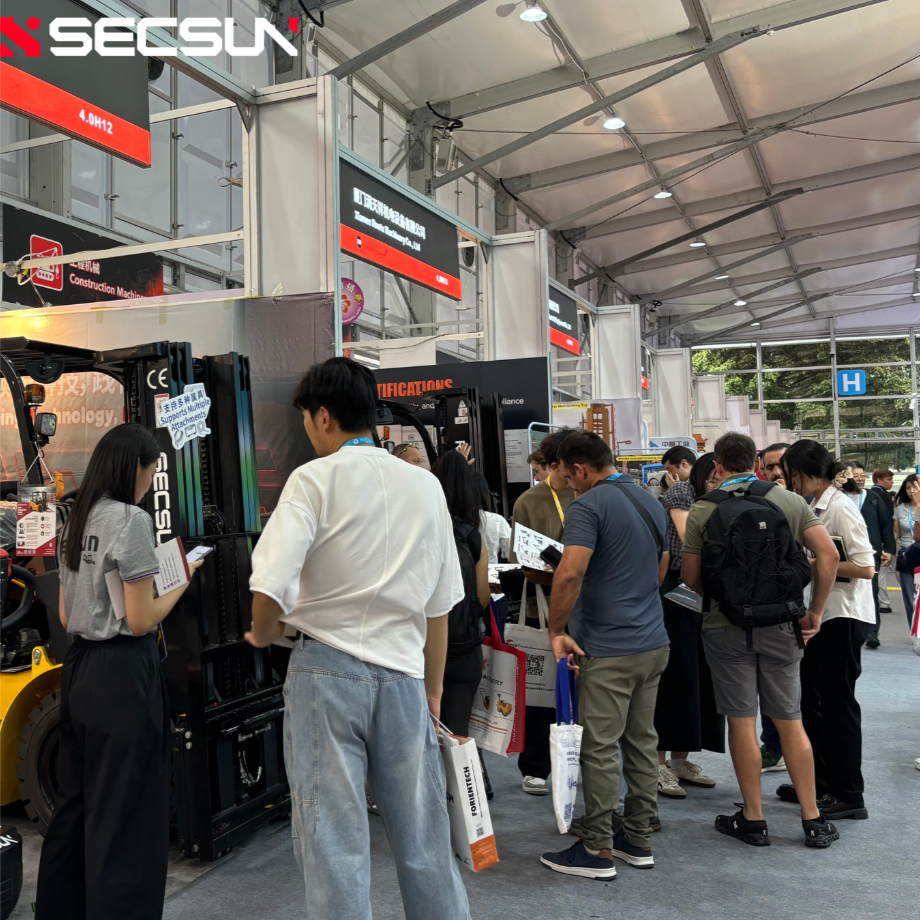 Global Trust, Local Expertise: Secsun Empowers International Partners at the 139th Canton Fair
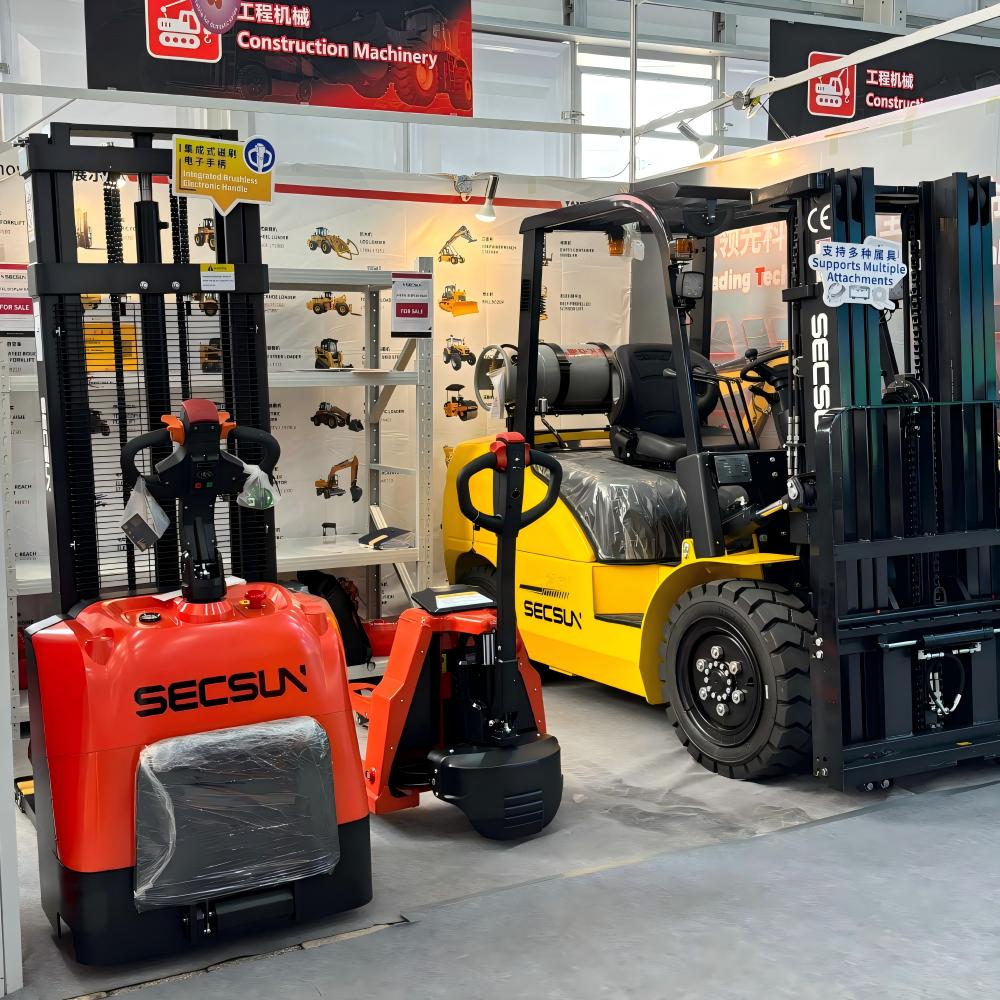 SECSUN Makes a Strong Debut at Canton Fair with Successful Opening Day Showcasing Brand Strength
 SECSUN Shines at the 139th Canton Fair, Leading New Global Trends in Material Handling with Innovative Product Portfolio