Choosing forklift tires isn’t about specs—it’s about matching your real workplace. Get it wrong, and you risk accidents, broken floors, or costly downtime. Here’s how to choose wisely:
Start With Your Floor & Workspace
1、Smooth indoor concrete? → Solid rubber tires
Why: Quiet, won’t mark floors, last longer.
SECSUN Tip: Like sneakers on a basketball court—firm grip, no slips.
2、Outdoor/rough ground? → Pneumatic (air-filled) tires
Why: Soaks up bumps, grips dirt/gravel.
Watch for: Avoid if you handle sharp debris (nails, scrap metal).
3、Cold storage (-25°C)? → Special cold-resistant tires
Why: Stays flexible (normal tires turn stiff as ice!).
4、Wet/oily floors? → Non-slip tread tires
Why: Prevents skidding. Test: Spill water—good tires won’t hydroplane.
Match Tires to Your Loads
1、Heavy loads (3+ tons)?
Use reinforced tires (look for "HD" or "high-load" labels).
Never use worn tires—overloading causes 30% of tip-overs.
2、Light loads, mostly indoors?
Standard solid tires save money.
3、Shifting uneven loads (e.g., lumber)?
Wide-base tires = extra stability.
Don’t Forget These Hidden Factors
Tire Width → Wider tires = better stability on ramps.
Heat Resistance → If your forklift runs 8+ hours/day, ask for "high-temp" tires.
Spare Tires → Keep one (mismatched tires wear unevenly).
SECSUN’s Pro Advice
"Check tires monthly: Cracks, flat spots, or 50% tread wear? Replace IMMEDIATELY. A $200 tire change beats a $20,000 accident."
 Brazilian Customer Plans More SECSUN Purchases in 2027
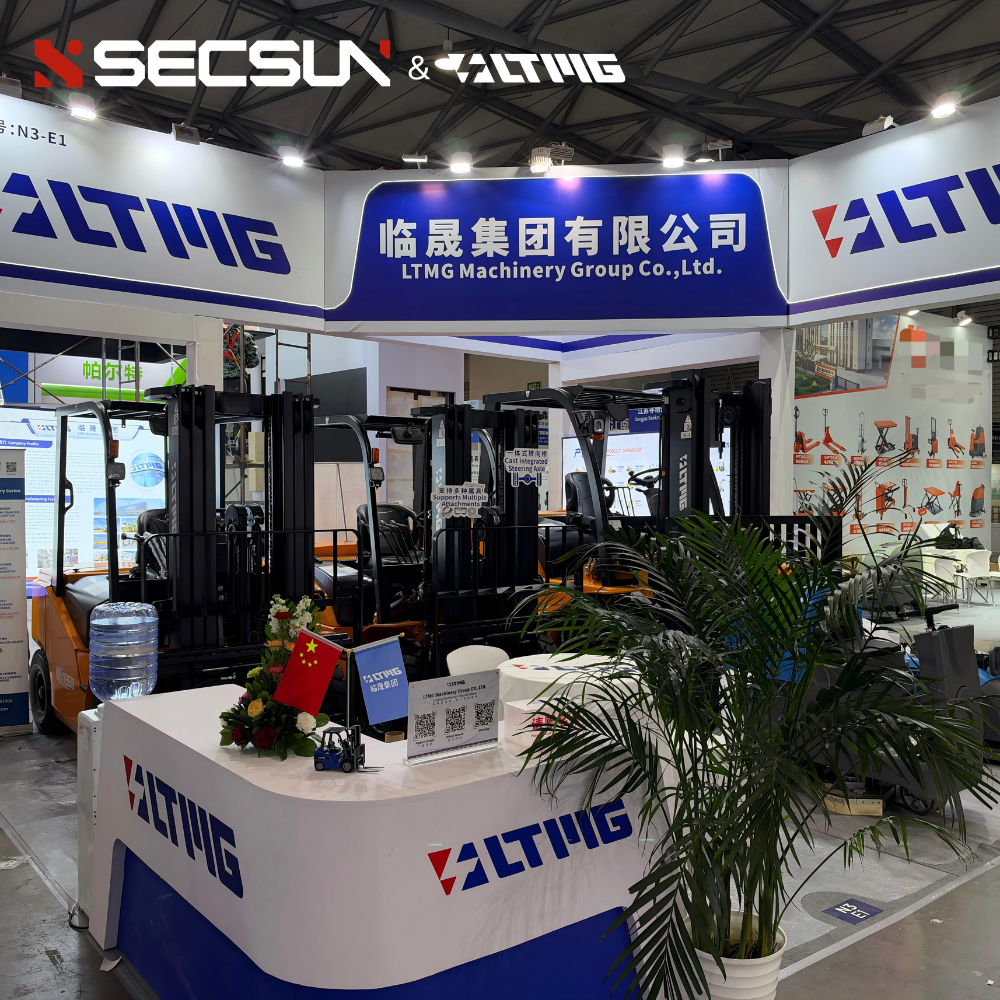 SECSUN Welcomes Visitors on the Opening Day of CeMAT ASIA 2026
 SECSUN to Showcase Material Handling and Cleaning Equipment at CeMAT ASIA 2026
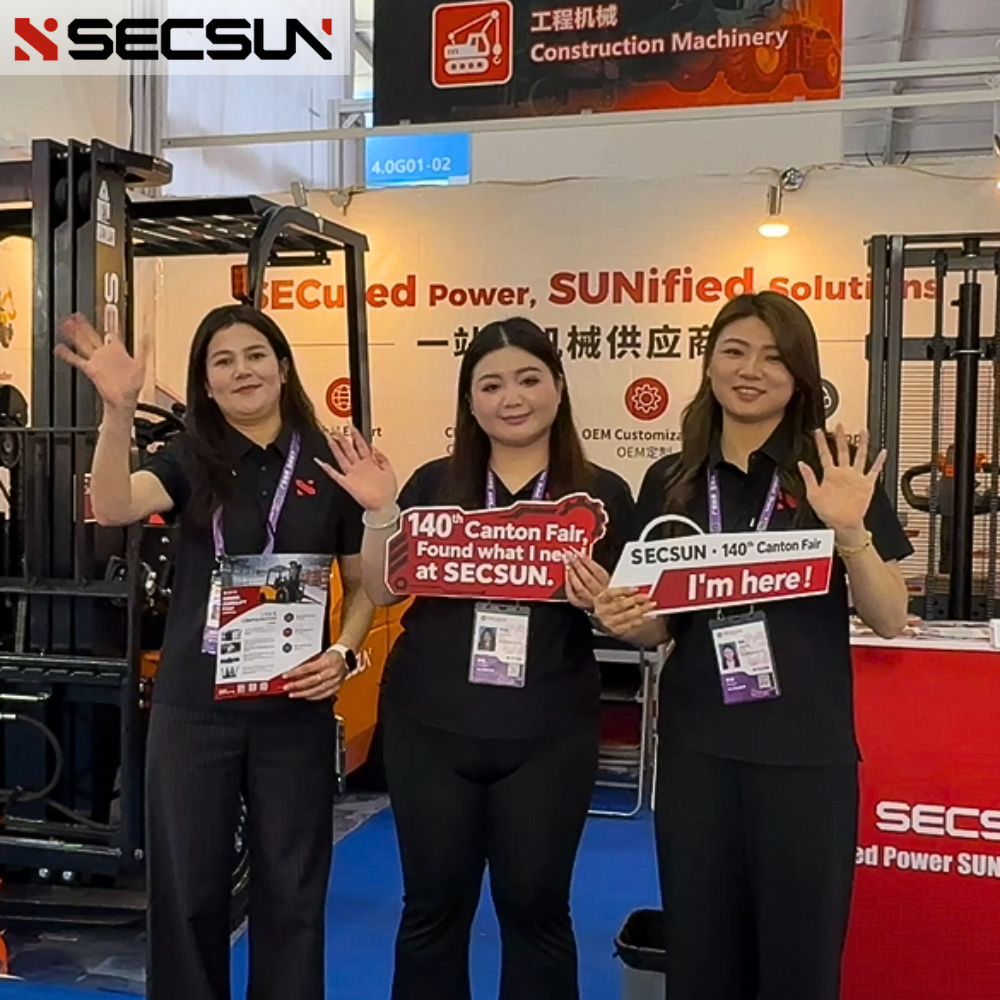 SECSUN Successfully Concludes the 140th Canton Fair 2026