In the construction industry, excavators are workhorses that consume significant fuel, making fuel efficiency a critical factor in operational costs. Whether you're managing a large construction site or a small project, these proven fuel-saving tips for excavators can help you achieve substantial savings while keeping your equipment running at its best.
1. Master Proper Operation Techniques
How you operate the excavator directly impacts fuel efficiency. Avoid abrupt movements such as sudden acceleration, harsh braking, or excessive idling, as these actions waste fuel and increase wear on components. Instead, adopt smooth, controlled motions when digging, lifting, and transporting materials.For digging tasks, ensure the bucket is filled appropriately—overloading forces the engine to work harder, while underloading reduces efficiency. Use the "two-speed" travel mode wisely: switch to low speed for heavy-duty operations and high speed only when necessary.
2. Prioritize Regular Maintenance
A well-maintained excavator operates more efficiently and consumes less fuel. Start with the engine: dirty air filters restrict airflow, causing the engine to work harder and burn more fuel. Inspect and clean air filters regularly, replacing them according to the manufacturer's schedule.
Check fuel filters for clogs, as contaminated fuel can damage injectors and reduce combustion efficiency. Lubricate moving parts, such as hinges and tracks, to reduce friction—proper lubrication not only extends equipment life but also lowers the energy required for operations. Don't overlook tire pressure: underinflated tires increase rolling resistance, leading to higher fuel consumption. Maintain recommended tire pressure to ensure smooth movement and optimal traction.
3. Optimize Hydraulic System Performance
The hydraulic system is a major energy user in excavators. Leaking hydraulic lines or worn seals force the pump to work overtime, wasting fuel. Regularly inspect hoses, fittings, and cylinders for leaks, and repair or replace damaged components immediately.
Use the correct viscosity hydraulic oil for the operating temperature—thicker oils in cold weather or thinner oils in heat can improve system efficiency. Additionally, adjust hydraulic pressure and flow rates according to the task at hand. Overly high settings not only consume more energy but also increase wear, while properly calibrated settings balance power and fuel economy.
4. Choose High-Quality Fuel and Monitor Usage
Not all fuels are created equal. Use clean, high-quality diesel fuel that meets the manufacturer's specifications—contaminated fuel leads to inefficient combustion, increased emissions, and costly engine repairs. Store fuel in clean, sealed tanks to prevent water or debris from entering the system.Implement a fuel tracking system to monitor consumption per excavator and per project. Regularly reviewing fuel reports helps maintain accountability and ensures savings strategies
5. Reduce Idle Time Rigorously
Idling is a major fuel waster—an excavator can burn up to 1 liter of fuel per hour during idle, adding up to hundreds of liters over a month. By incorporating these fuel-saving strategies into your excavator management practices, you can achieve significant cost reductions while extending equipment lifespan and improving job site efficiency.
At SECSUN Machinery, we design our excavators with fuel economy in mind, combining advanced engineering with user-friendly features to help our customers succeed. Regular maintenance, smart operation, and leveraging technology are the keys to unlocking maximum savings—start implementing these tips today and see the difference in your bottom line.
 SECSUN Insights—How to Choose the Perfect Forklift for Your Business?
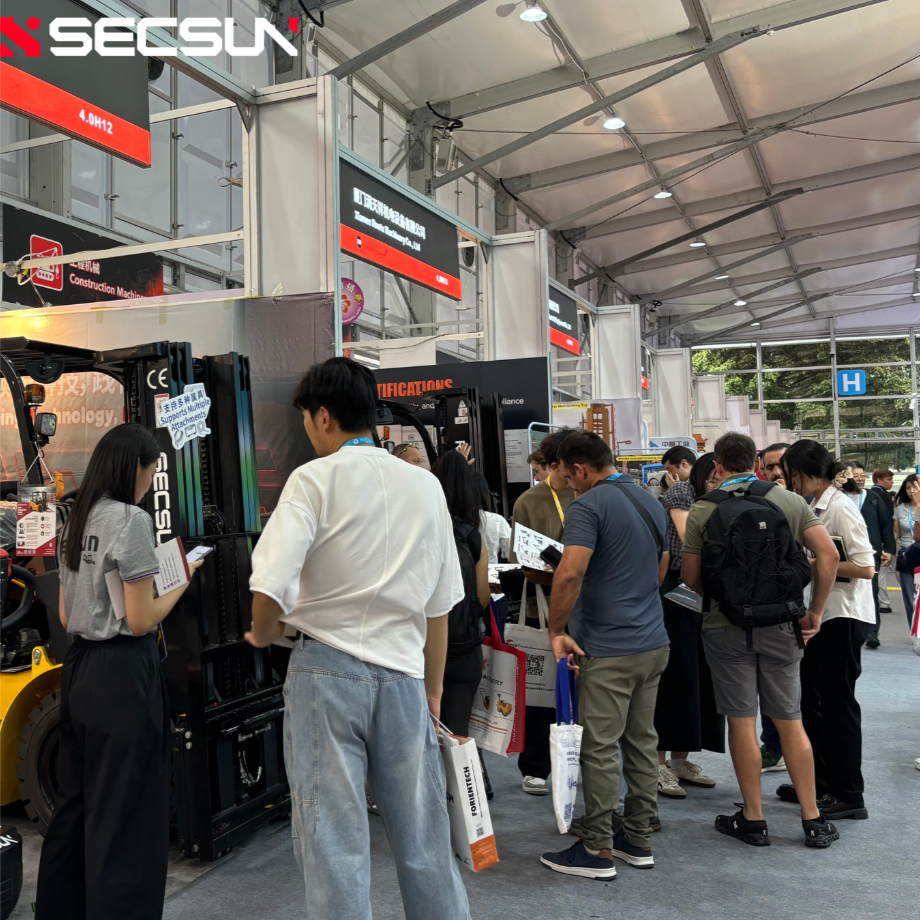 Global Trust, Local Expertise: Secsun Empowers International Partners at the 139th Canton Fair
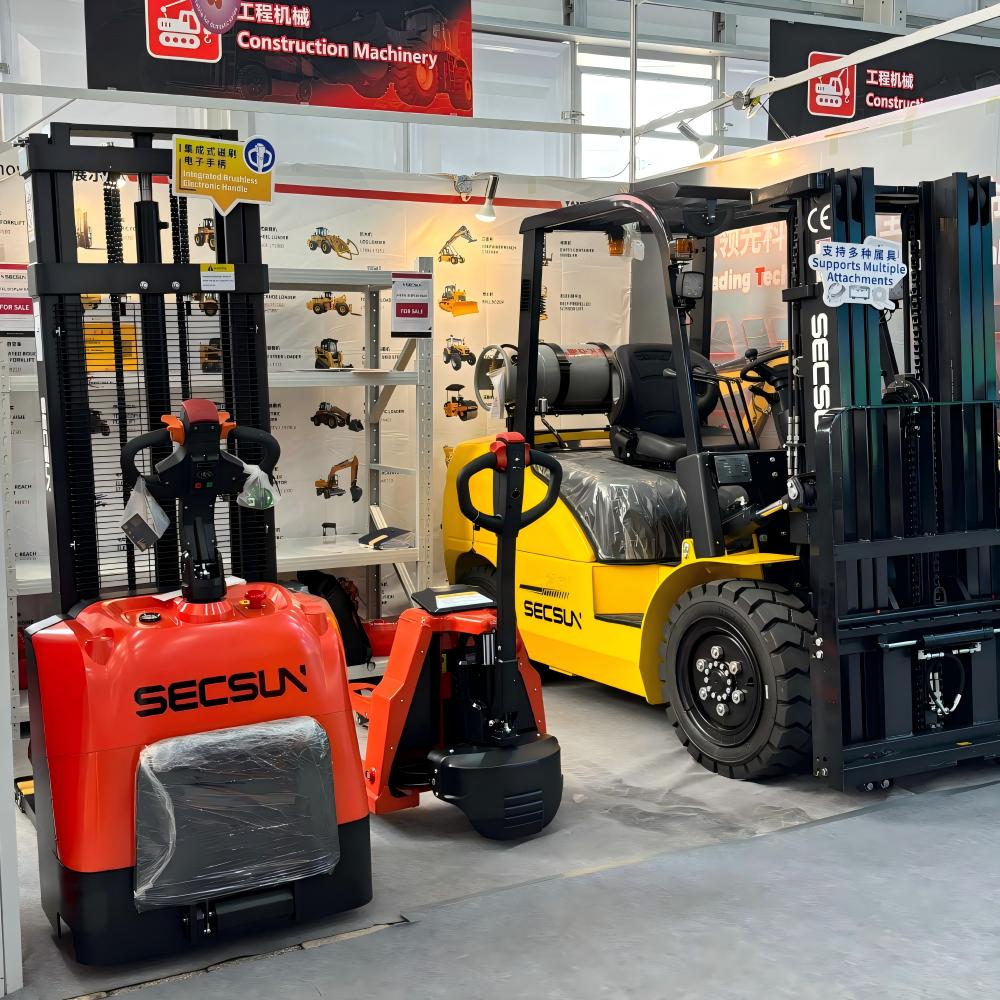 SECSUN Makes a Strong Debut at Canton Fair with Successful Opening Day Showcasing Brand Strength
 SECSUN Shines at the 139th Canton Fair, Leading New Global Trends in Material Handling with Innovative Product Portfolio