A Professional Selection Guide: Three Critical Dimensions Determine Whether the Equipment Truly “Fits” Your Work Scenarios
When selecting a telescopic forklift, “maximum lift height” and “rated load capacity” are often the primary metrics considered. However, relying solely on these two data points for decision-making may result in equipment that fails to meet specific operational needs in practice, or even poses safety risks. To ensure your investment delivers value and that the equipment integrates safely and efficiently into your workflow, it is essential to understand the following three equally critical—yet frequently overlooked—core parameters.
Ⅰ. Load Chart – The Dynamic Capability Map of the Equipment
The rated load capacity typically refers to the maximum value under the most ideal and stable conditions. In actual operation, however, as the boom extends and the lift height varies, the equipment’s actual safe load-bearing capacity can change significantly.
What It Is: The load chart is an intuitive diagram that clearly indicates the maximum weight the equipment can safely bear under different combinations of boom extension length and lift height.
Why It Matters:
It Serves as the Basis for Safe Operation: Operators must refer to this chart based on the real-time boom length and height to determine the safe load limit for current working conditions, which is fundamental to preventing tip-overs.
It Defines True Operational Capability: A telescopic forklift with a rated capacity of 3 tons may have a significantly lower safe load capacity when the boom is fully extended to its maximum height. Without understanding the load chart, the equipment may prove inadequate at critical work positions.
Selection Advice: Before purchasing, be sure to request and comprehend the load chart from the supplier. Validate it by inputting your most common working heights and ranges—this is the objective standard for assessing whether the equipment matches your needs.
Ⅱ. Maximum Horizontal Reach – Determining the Coverage of Work Range
While lift height addresses vertical reach, maximum horizontal reach determines the horizontal working range. It refers to the farthest distance the fork tip can extend from the front support point of the equipment when the boom is near horizontal.
Impact and Application:
Crossing Obstacles: Sufficient horizontal reach is crucial if materials need to be placed over walls, railings, or low structures directly.
Working in Confined Spaces: In environments such as warehouse interiors, truck containers, or areas where the equipment cannot approach the target closely, greater reach can reduce frequent repositioning of the equipment, enabling “in-place pick-and-place” operations and improving efficiency.
Safe Operation: When working near soft ground, trench edges, or hazardous areas, adequate reach allows for remote placement from a relatively safe position.
Selection Advice: Carefully evaluate your work scenarios. Do you frequently need to perform “long-distance” precision placement? Does the site layout allow the equipment to freely approach the target? Clarifying these requirements will help determine the necessary horizontal reach.
Ⅲ. Chassis and Drive Configuration – The Mobility Foundation for Ground Adaptation
The equipment’s mobility and site adaptability largely depend on its chassis and drive system. An inappropriate choice can lead to operational difficulties, reduced efficiency, or ground damage.
Main Types and Selection Considerations:
Drive Configuration: Four-wheel drive offers stronger traction and off-road capability, suitable for uneven, soft, or slippery outdoor terrain. Two-wheel drive provides cost advantages and relatively simpler maintenance on flat, hard surfaces.
Chassis Type:
Wheeled Chassis: Offers faster movement speed, flexible steering, and lower ground pressure on most hardened surfaces, making it a common choice for general applications.
Tracked Chassis: Provides extremely low ground pressure through a large contact area, designed specifically for extremely soft ground (e.g., deep mud, sand, snow), steep slopes, or heavy-duty operations requiring superior stability. However, tracked models have slower travel speeds and may impact certain sensitive surfaces.
Selection Advice: Prioritize consideration of your primary and most challenging ground conditions. Will operations take place in standard warehouses, concrete construction sites, or outdoor environments with soil, mud, or rough terrain? The right choice ensures the equipment can “move freely.”
Conclusion: Systematic Evaluation for Precise Matching
Selecting a suitable telescopic forklift is a dynamic process that requires comprehensive consideration. The load chart ensures safe operational boundaries and actual capability; the maximum horizontal reach defines the coverage of the working space; and the chassis and drive configuration determine the surfaces on which the equipment can operate effectively.
Before finalizing your purchase decision, we recommend:
Clarify Core Working Conditions: Define specific requirements for height, range, ground conditions, and load types in your primary tasks.
Obtain and Verify Detailed Technical Specifications: Request complete technical documentation from the manufacturer or dealer, including all the key parameters mentioned above.
On-Site Validation: If possible, arrange for a demonstration or trial of the equipment in conditions similar to your actual working environment to gain the most intuitive understanding.
A careful and thorough selection process is the first step to ensuring the equipment becomes an extension of your productivity and a reliable asset, rather than an idle or unsuitable burden. Taking the time to clarify these key parameters is a critical investment in the safety and efficiency of your operations.
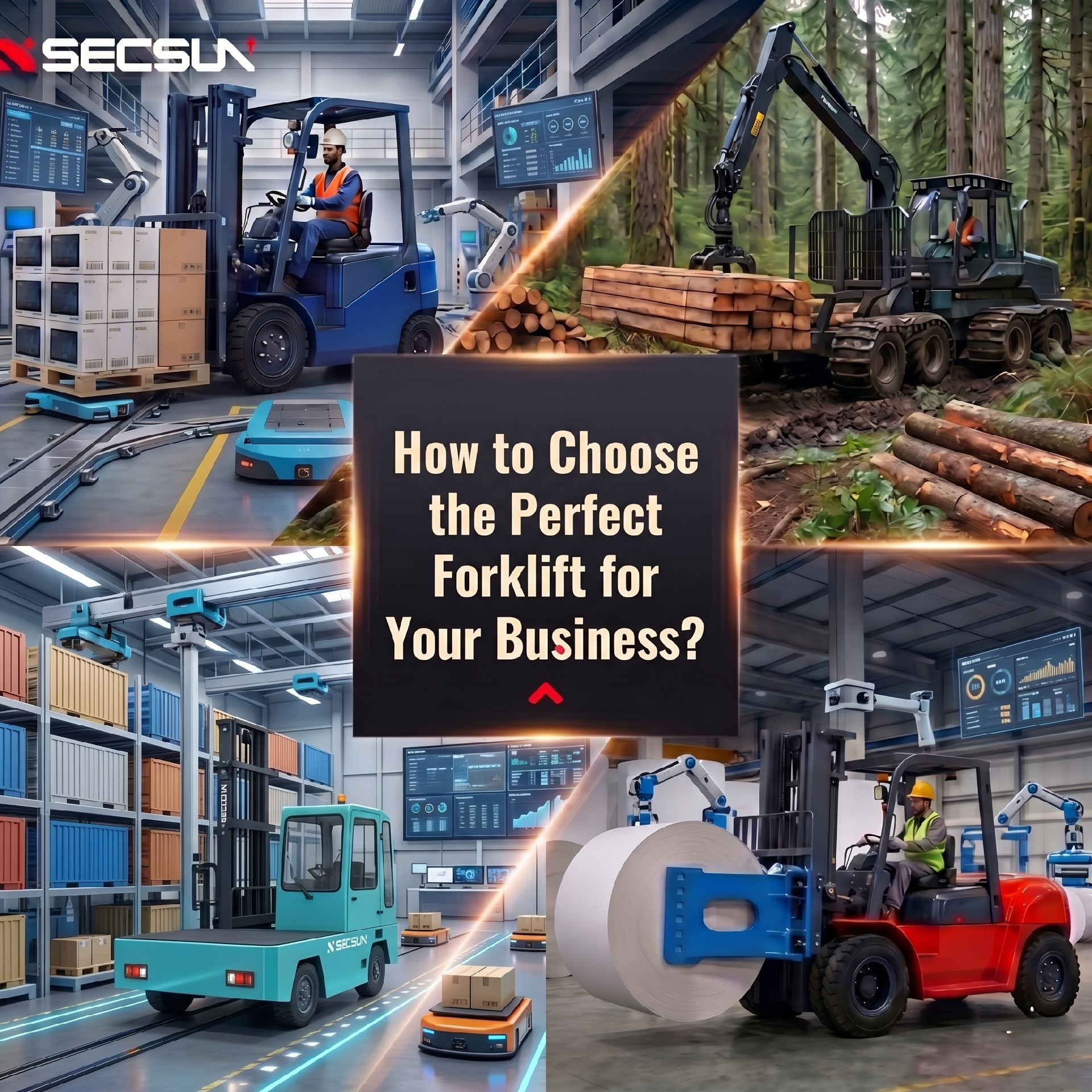 SECSUN Insights—How to Choose the Perfect Forklift for Your Business?
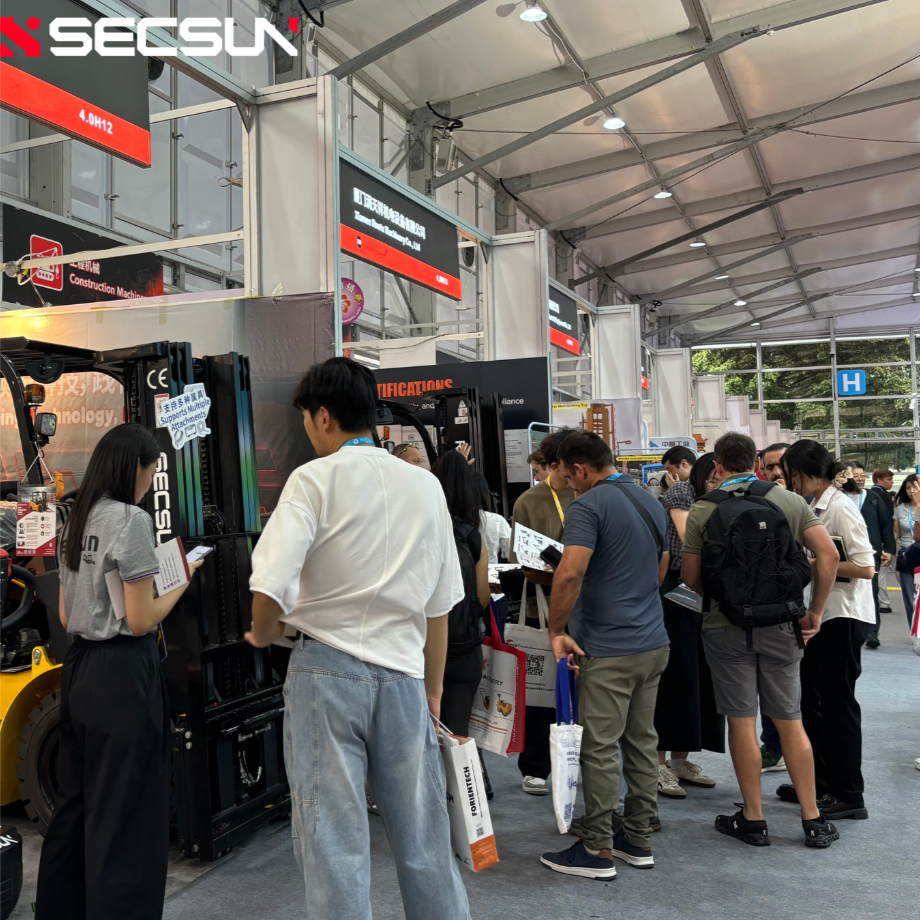 Global Trust, Local Expertise: Secsun Empowers International Partners at the 139th Canton Fair
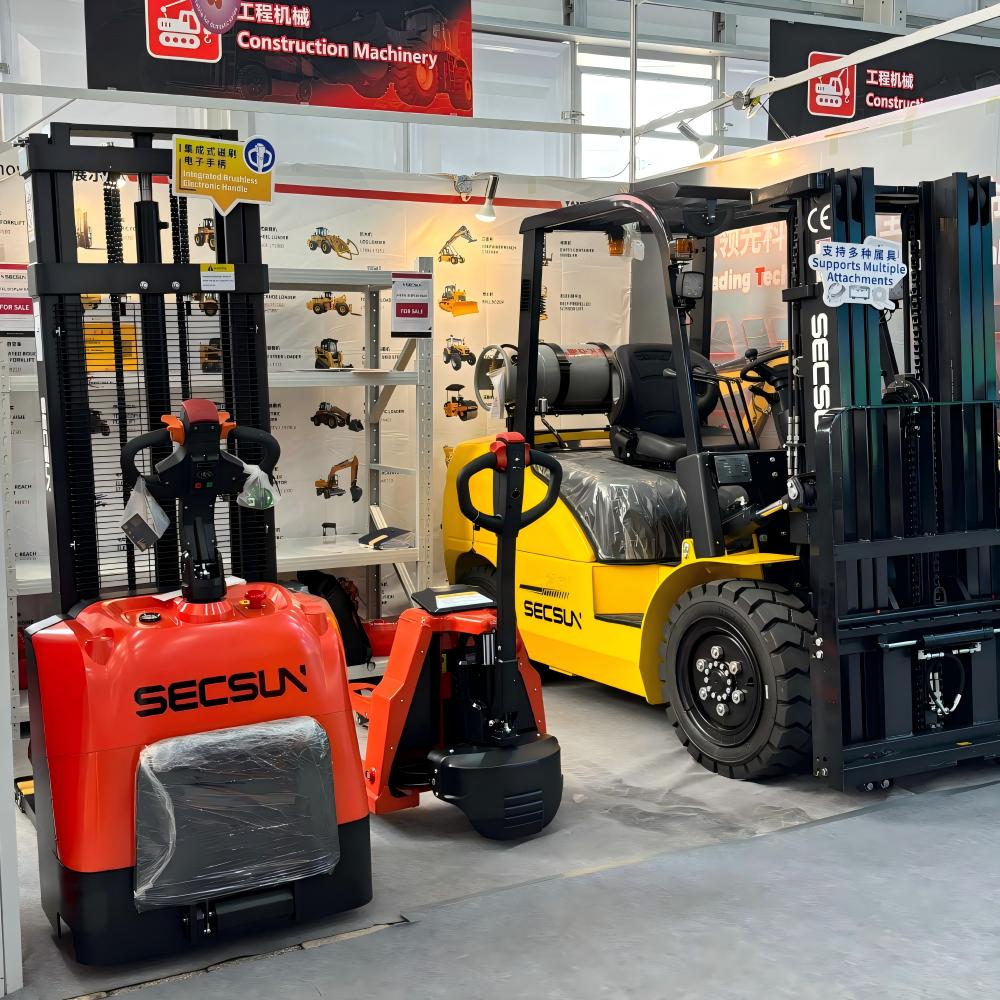 SECSUN Makes a Strong Debut at Canton Fair with Successful Opening Day Showcasing Brand Strength
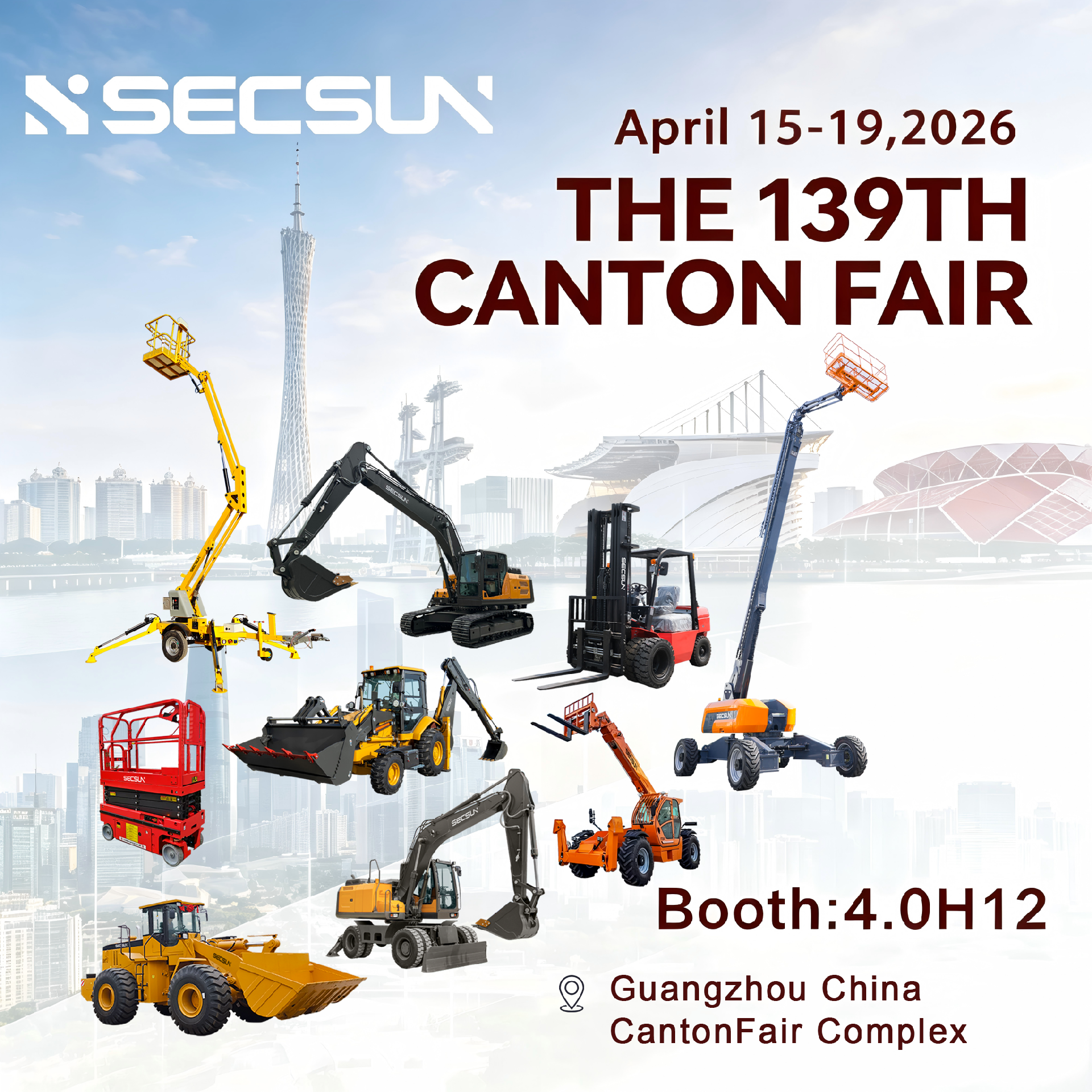 SECSUN Shines at the 139th Canton Fair, Leading New Global Trends in Material Handling with Innovative Product Portfolio