As core equipment in fields such as engineering construction, mining, and logistics loading and unloading, loaders’ operating conditions directly affect work efficiency and construction safety. Recently, many engineering projects across regions have experienced construction delays due to loader failures, bringing the issue of equipment maintenance back into the spotlight of the industry. To address this, this article, drawing on the practical maintenance experience of SECSUN, has sorted out a full-cycle maintenance guide for loaders, helping to extend the service life of equipment and ensure stable operation.
Daily Inspection: Conduct Mandatory Checks Before Startup and After Shutdown
"Daily inspection is the key to avoiding sudden loader failures, and it must be carried out with the principle of 'check before startup and inspect after shutdown'," a professional from SECSUN’s factory stated. Before starting the loader each day, operators should first inspect the appearance for collisions, oil leaks, water leaks, or air leaks; focus on verifying tire pressure and wear conditions. If cracks, bulges, or abnormal tire pressure are found, the tires must be replaced or inflated immediately to prevent blowouts during operation.
At the same time, operators should check the indicators of various fluids one by one, including the level and quality of engine oil, hydraulic oil, coolant, and brake fluid. If the fluid becomes turbid, deteriorated, or its level falls below the standard line, it should be replenished or replaced in a timely manner. In addition, the equipment should be started for a test run to test the sensitivity of the steering system, braking system, and lifting system. If issues such as stuck steering, weak braking, or insufficient lifting force occur, the loader is strictly prohibited from being put into operation.
Regular In-depth Maintenance: Complete Corresponding Maintenance Items on Schedule
Compared with daily inspection, regular in-depth maintenance is the core link to maintain loader performance and must strictly follow the cycle standards specified in the equipment manual.
1.For engine maintenance, the oil filter and fuel filter should be replaced every 500 working hours, and the air filter should be cleaned or replaced every 1000 working hours to prevent impurities from entering the engine and causing wear. Meanwhile, check the tightness of the belts—excessive slack can lead to poor heat dissipation, while excessive tightness will accelerate bearing aging.
2.The hydraulic system is the "power hub" of the loader. The hydraulic oil filter should be replaced every 1000 working hours, and the hydraulic oil should be replaced every 2000 working hours. When replacing the oil, impurities inside the hydraulic oil tank must be thoroughly cleaned. Regularly inspect hydraulic pipeline joints to avoid hydraulic oil leaks caused by loosening, which may affect operation accuracy.
3.The transmission system and braking system also require regular maintenance. For the transmission system, check the gearbox oil level every 1500 working hours and replace the gearbox oil every 3000 working hours. For the braking system, check the thickness of the brake pads every 500 working hours and replace them in a timely manner when they are worn to the critical value. At the same time, check whether the brake pipelines are blocked or leaking air.
Maintenance Under Special Working Conditions: Implement Customized Maintenance Based on Different Environments
For special operating environments such as high temperatures, extremely low temperatures, and dusty conditions, loaders require customized maintenance.
1.In high-temperature areas, install a protective net for the hydraulic oil radiator and regularly clean dust from the radiator to prevent system failures caused by excessively high hydraulic oil temperature. Meanwhile, check the freezing point and boiling point of the coolant to ensure the engine’s heat dissipation is normal.
2.In extremely low-temperature areas, replace the engine oil, hydraulic oil, and coolant with types suitable for low-temperature environments to prevent the fluids from becoming viscous due to low temperatures and affecting equipment startup. Before operation, preheat the equipment and put it into use only after the temperature of all systems reaches the standard.
3.In dusty construction sites, install dust-proof seals for the loader’s cab, shorten the replacement cycle of the air filter, and regularly clean dust on the surface of the engine block and radiator to ensure smooth heat dissipation and air intake of the equipment.
Common Maintenance Misunderstandings: Avoid These Wrong Practices
SECSUN sends a warm reminder to all customers that some operators have many misunderstandings in maintenance. For example, some believe that "the more fluid added, the better", but in fact, excessive fluid will increase the resistance of equipment operation and may cause oil seal leakage. Others mix different models and brands of fluids, which can easily lead to fluid deterioration and component corrosion.
In addition, behaviors such as ignoring bolt tightening and skipping maintenance records also pose hidden dangers. SECSUN experts suggest establishing an equipment maintenance ledger to record in detail the time, items, and replaced parts of each maintenance for subsequent traceability. Regular maintenance training should be carried out for operators to improve their professional maintenance capabilities.
"Proper maintenance of loaders can not only reduce equipment failure rates and extend service life but also significantly reduce maintenance costs and ensure construction progress," a SECSUN staff member said. With the increasing attention paid to equipment operation and maintenance in the engineering industry, scientific maintenance will become an industry standard, building a dual defense line for safety and efficiency in engineering operations.
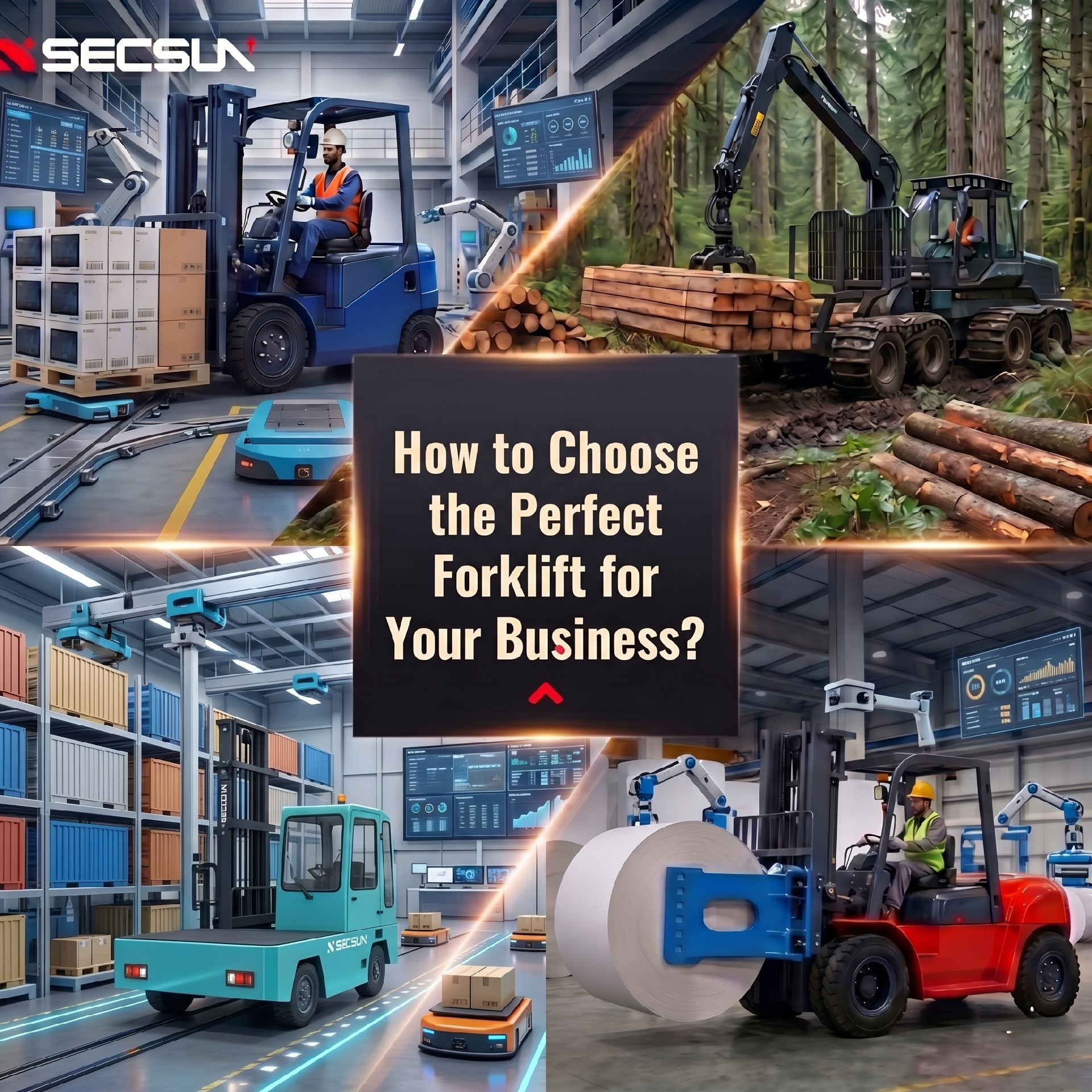 SECSUN Insights—How to Choose the Perfect Forklift for Your Business?
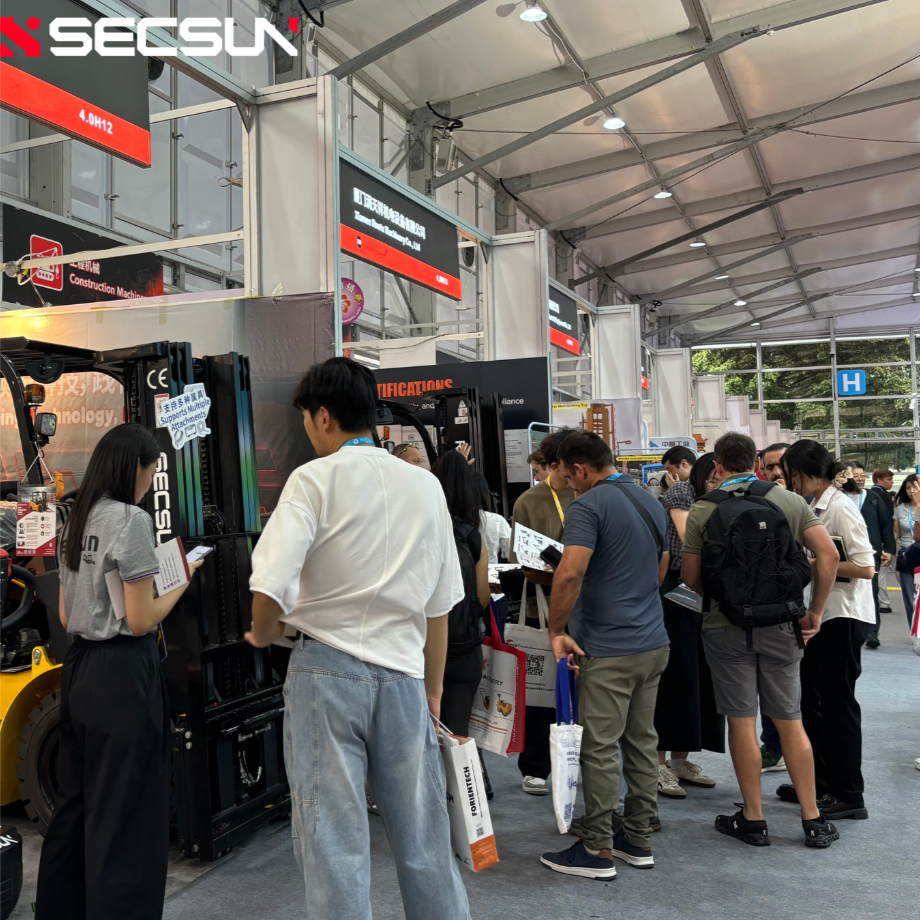 Global Trust, Local Expertise: Secsun Empowers International Partners at the 139th Canton Fair
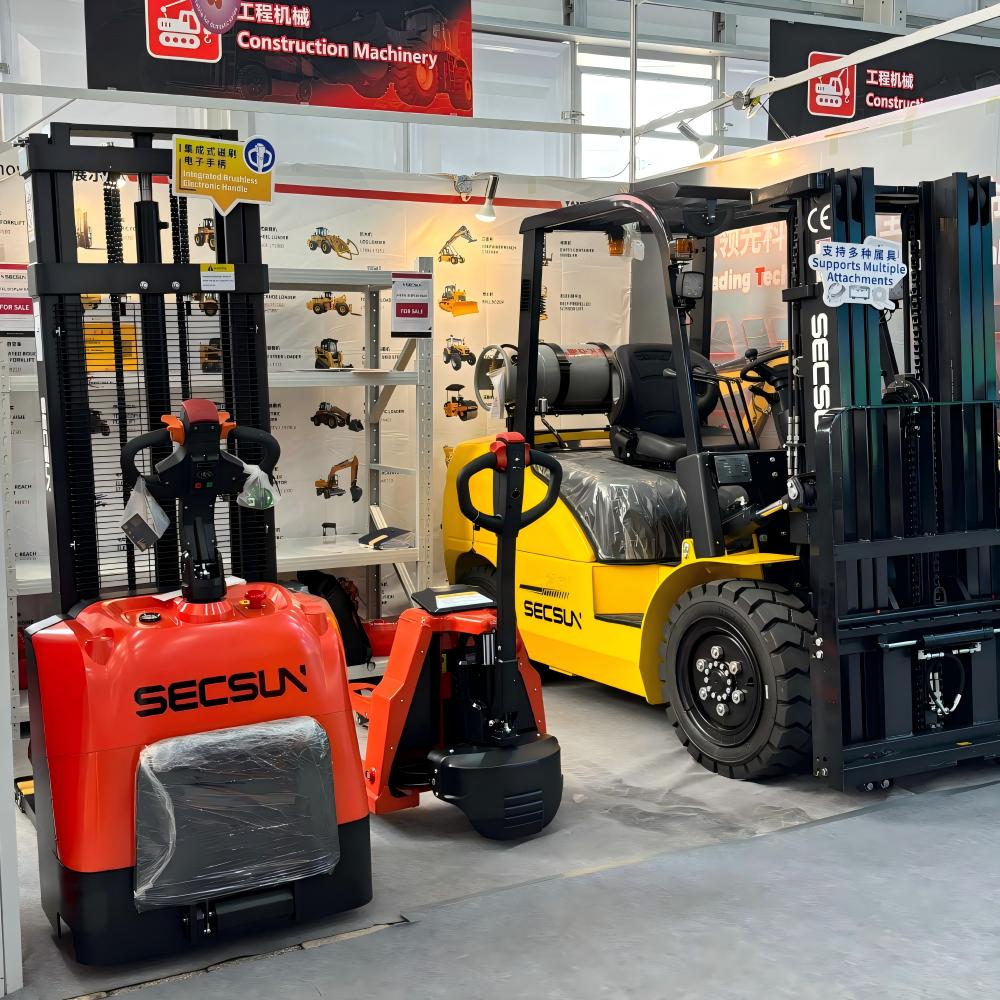 SECSUN Makes a Strong Debut at Canton Fair with Successful Opening Day Showcasing Brand Strength
 SECSUN Shines at the 139th Canton Fair, Leading New Global Trends in Material Handling with Innovative Product Portfolio