The construction industry is undergoing a major transformation as contractors and equipment users look for more efficient, cost-effective, and environmentally friendly solutions. For decades, diesel-powered machines have dominated construction sites because of their strong performance, reliability, and ability to handle demanding working conditions.
However, with rising fuel costs, stricter emission regulations, and advances in battery technology, electric construction equipment is becoming an increasingly attractive choice for contractors worldwide.
From electric excavators and wheel loaders to electric forklifts and other material handling equipment, more companies are exploring alternatives to traditional diesel machines.
So, why are more contractors switching from diesel machines to electric construction equipment?
The answer lies in lower operating costs, improved energy efficiency, reduced emissions, and better suitability for modern construction requirements.
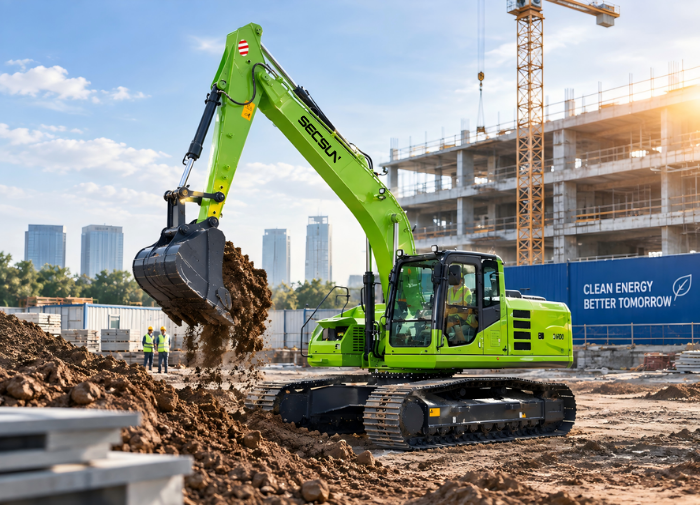
Lower Operating Costs Make Electric Equipment More Attractive
One of the biggest reasons contractors are considering electric construction equipment is the potential reduction in operating costs.
Diesel machines require continuous fuel consumption and regular engine maintenance, including:
Engine oil replacement
Fuel filter changes
Air filter maintenance
Engine system repairs
Over years of operation, these costs can become a significant expense for construction companies.
Electric equipment uses electric motors powered by batteries, which have fewer moving parts compared with diesel engines. This simpler structure helps reduce maintenance requirements and lower long-term operating expenses.
For contractors operating equipment for many hours every day, reducing fuel and maintenance costs can significantly improve profitability.
Energy Efficiency and Lower Operating Expenses
Electric construction equipment provides higher energy efficiency compared with traditional diesel machines.
Diesel engines lose energy through heat and mechanical processes, while electric motors can convert a higher percentage of electrical energy into useful power.
This efficiency advantage helps electric machines achieve:
Lower energy consumption
More stable operating costs
Reduced dependence on fuel price fluctuations
For example, electric excavators used in regular construction applications can provide significant savings in energy costs compared with diesel-powered alternatives.
As fuel prices continue to change globally, many contractors are looking for equipment solutions that provide more predictable operating expenses.
Zero Emissions for Cleaner Construction Sites
Environmental requirements are becoming increasingly important in the construction industry.
Electric construction equipment produces zero direct emissions during operation, making it ideal for applications where air quality and noise control are important.
Common applications include:
Urban construction projects
Indoor demolition projects
Tunneling projects
Industrial facilities
Residential areas
Compared with diesel machines, electric equipment produces less noise and no exhaust fumes, creating a cleaner and more comfortable working environment for operators and nearby communities.
Many cities and regions are also introducing stricter environmental standards, encouraging contractors to adopt cleaner construction solutions.
Electric Excavators: A Growing Choice for Modern Construction
Among different types of electric construction equipment, electric excavators are one of the fastest-growing categories.
Traditional diesel excavators are widely used for:
Earthmoving
Infrastructure projects
Landscaping
Utility construction
Electric excavators provide similar working capabilities while offering additional benefits:
Lower energy costs
Reduced noise
Cleaner operation
Easier maintenance
For projects in urban areas or environmentally sensitive locations, electric excavators can provide a practical alternative to diesel models.
As battery technology continues to improve, electric excavators are becoming more capable and suitable for a wider range of applications.
Electric Wheel Loaders and Material Handling Equipment
Electric technology is also expanding into wheel loaders and material handling equipment.
Electric wheel loaders are becoming popular in applications such as:
Construction material handling
Recycling facilities
Warehouses
Industrial sites
Compared with diesel loaders, electric models offer:
Lower operating costs
Reduced maintenance
Improved operator comfort
Lower noise levels
In addition, electric forklifts have already become widely used in warehouses and logistics centers because of their efficiency and environmental advantages.
The development of electric technology across multiple equipment categories is helping companies build cleaner and more efficient operations.
Challenges of Electric Construction Equipment
Although electric construction equipment offers many advantages, contractors should also consider several factors before switching.
Initial Investment
Electric machines may have a higher purchase price compared with traditional diesel equipment due to battery technology and electrical systems.
However, the higher initial investment can often be balanced by lower energy and maintenance costs over the equipment’s lifetime.
Charging Infrastructure
Companies should evaluate their charging requirements, including:
Available power supply
Charging time
Daily working hours
Job site conditions
Proper charging planning helps ensure efficient equipment operation.
Application Requirements
Electric equipment is currently most suitable for many construction and industrial applications, but extremely heavy-duty operations may still require diesel machines depending on working conditions.
Choosing the right equipment based on actual job requirements is essential.
Why Contractors Are Choosing Electric Equipment in 2026
The shift from diesel to electric construction equipment is not only driven by environmental concerns. It is also a business decision focused on improving efficiency and reducing operating costs.
More contractors are choosing electric machines because they provide:
Lower operating expenses
Reduced maintenance costs
Cleaner working environments
Better energy efficiency
Compliance with future regulations
As battery technology continues to develop, electric construction equipment will become an increasingly important part of the global construction industry.
Conclusion
Electric construction equipment represents the future direction of the machinery industry. While diesel machines remain important for many heavy-duty applications, electric alternatives are becoming more competitive due to their economic and environmental advantages.
For contractors working in urban construction, indoor projects, logistics operations, and industries focused on cost control, electric equipment provides a reliable and efficient solution.
SECSUN offers advanced electric machinery solutions, including electric excavators, electric forklifts, and electric material handling equipment, helping businesses reduce operating costs and improve operational efficiency.
Choosing the right equipment today can help contractors achieve more sustainable and profitable operations in the future.
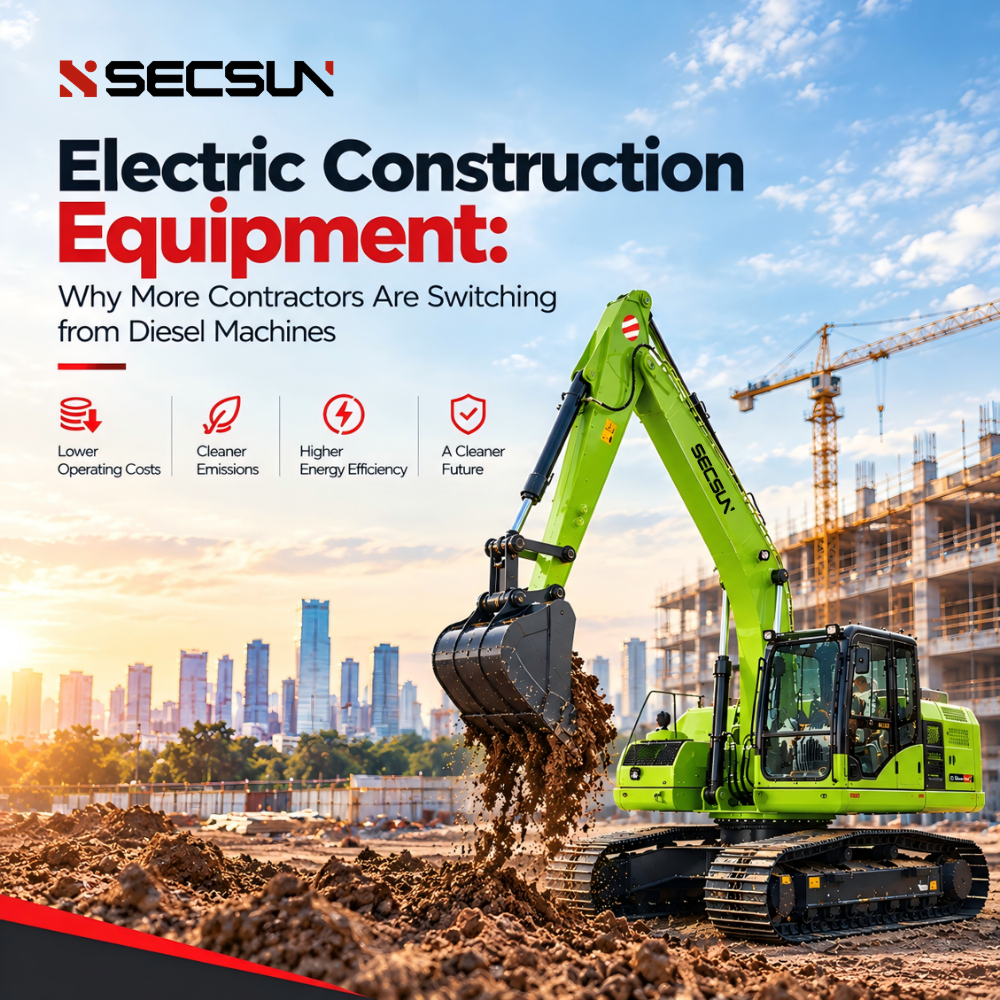 Electric Construction Equipment: Why More Contractors Are Switching from Diesel Machines
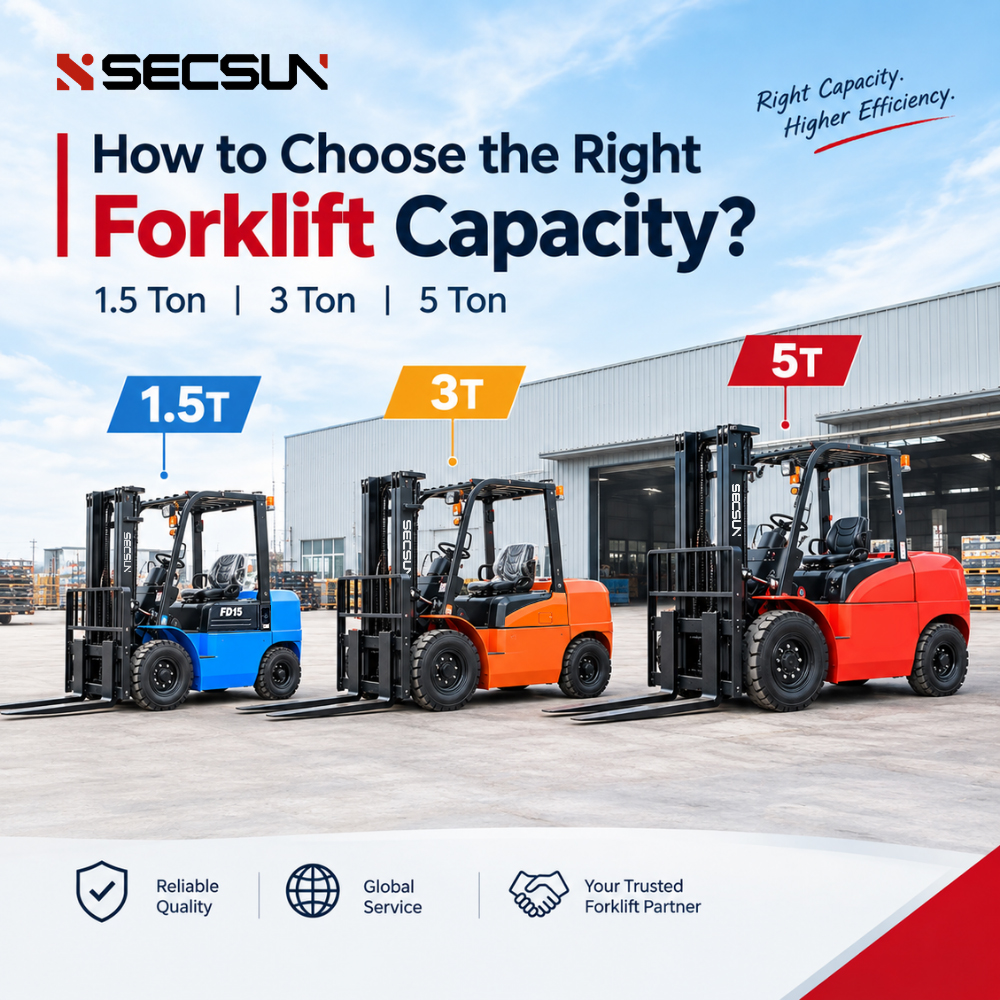 How to Choose the Right Forklift Capacity: 1.5 Ton, 3 Ton, or 5 Ton?
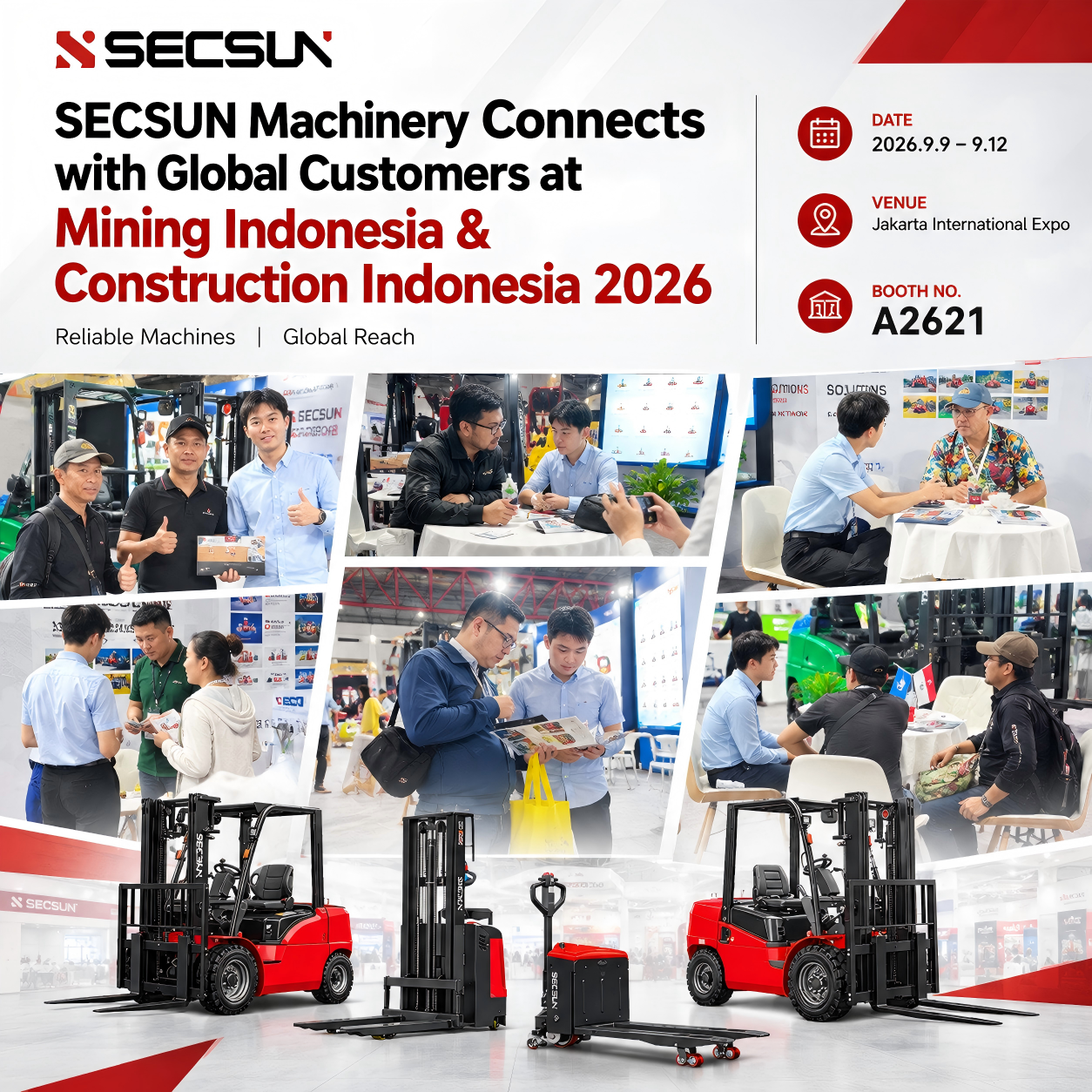 SECSUN Machinery Connects with Global Customers at Mining Indonesia & Construction Indonesia 2026
 SECSUN Machinery Featured at CIFIT 2026 in Xiamen, China