Importing construction machinery from China has become a popular choice for contractors, equipment dealers, rental companies, and industrial businesses worldwide.
China is one of the largest construction equipment manufacturing bases, supplying a wide range of machines, including excavators, wheel loaders, forklifts, and telescopic handlers.
However, importing heavy machinery requires more than selecting a machine and arranging shipment. Buyers need to understand export documents, shipping methods, customs clearance procedures, import duties, port charges, and required certificates.
This guide explains the complete process of importing construction equipment from China.
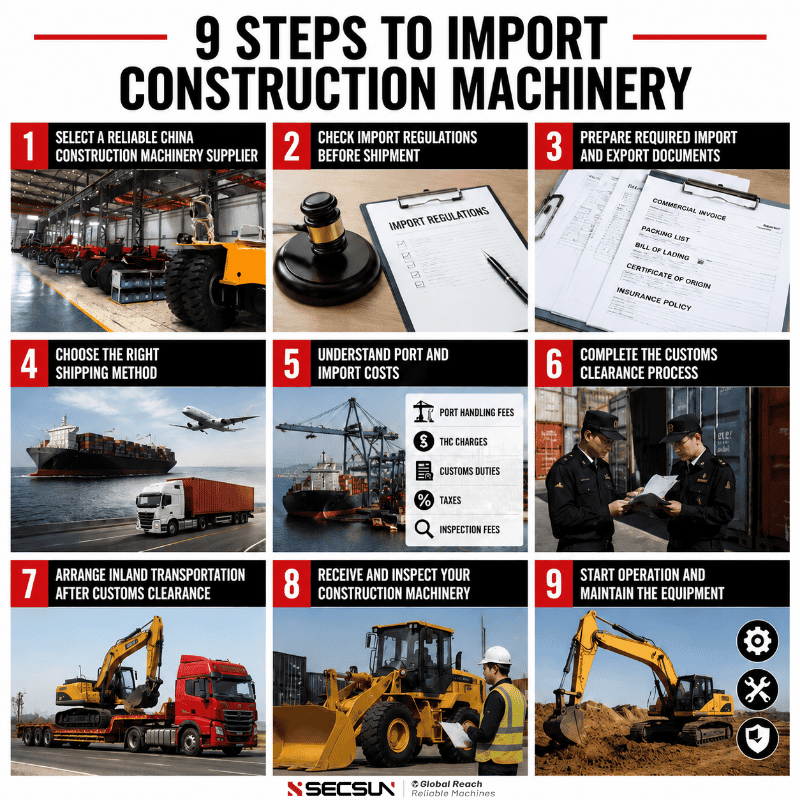
The first step in importing construction machinery from China is choosing a reliable supplier with strong manufacturing capability and export experience.
A professional China construction machinery supplier should provide not only quality equipment but also complete support throughout the import process, including technical documents, export paperwork, shipping assistance, and after-sales service.
Before placing an order, buyers should check:
Confirm:
Company registration information
Factory location
Manufacturing experience
Export history
Overseas customer experience
Production capability
Confirm:
Product specifications and technical details
Quality control process
Available certifications
Customization capability
Spare parts availability
After-sales support
A supplier with international export experience should be able to provide:
Complete export documents
Shipping support
Customs clearance assistance
Technical support after delivery
Choosing an experienced supplier can help reduce import risks and ensure a smoother purchasing process.
Before importing construction machinery from China, buyers should check the import requirements of their own country.
Different countries may have different regulations regarding:
Import permits
Machinery safety standards
Emission requirements
Engine certifications
Customs procedures
Important questions to confirm:
Is used equipment allowed?
Are there engine emission restrictions?
Is CE certification required?
Are special inspections required?
For different markets, requirements may include:
European Market:
CE certification
Declaration of Conformity
Machinery safety compliance
North American Market:
Engine emission compliance
Customs declaration requirements
Import documentation
Latin American Market:
Commercial invoice
Packing list
Certificate of origin
Customs clearance documents
A complete set of documents is essential for smooth customs clearance.
The main documents include:
Commercial Invoice
The commercial invoice contains:
Seller information
Buyer information
Machine description
Quantity
Declared value
Payment terms
Customs uses this document to calculate import taxes and duties.
Packing List
The packing list provides details about the shipment:
Machine dimensions
Gross weight
Net weight
Packaging information
Number of units
Bill of Lading (B/L)
The bill of lading is issued by the shipping company and includes:
Shipment details
Port of loading
Port of destination
Cargo ownership information
It is one of the most important shipping documents.
Certificate of Origin
The certificate of origin confirms that the machinery was manufactured in China.
It may be required for:
Customs clearance
Import duty calculation
Trade agreements
CE Certificate
For many European and international markets, CE certification is required.
CE documents confirm that the machinery meets applicable safety standards.
Common equipment requiring CE certification:
Excavators
Wheel loaders
Forklifts
Telescopic handlers
Engine Emission Certificates
Depending on the destination country, buyers may need:
EPA certification
Euro emission certification
Local emission approval documents
Construction machinery is usually large and heavy, so the shipping method depends on machine size, weight, and destination.
Container Shipping
Suitable for:
Small excavators
Electric forklifts
Compact equipment
Advantages:
Better cargo protection
Suitable for smaller machines
Flat Rack Container
Suitable for:
Large excavators
Wheel loaders
Oversized machinery
Roll-on/Roll-off (RORO)
Suitable for:
Self-propelled construction equipment
Examples:
Excavators
Large loaders
When importing construction equipment from China, buyers should consider various costs besides the machine price.
Common costs include:
China Export Port Charges
Possible charges include:
Export documentation fee
Customs declaration fee
Terminal handling charge
Container loading fee
Truck transportation to port
Ocean Freight
Ocean freight depends on:
Destination country
Shipping route
Machine size
Cargo weight
Seasonal changes
Destination Port Charges
After the machinery arrives, importers may need to pay:
Terminal Handling Charge (THC)
A fee charged by the port for cargo handling operations.
Customs Clearance Fee
A customs broker may charge service fees for:
Document submission
Customs declaration
Communication with customs authorities
Import Duty
Import duties are usually calculated based on:
HS code
Declared value
Local tariff regulations
VAT or Sales Tax
Some countries require VAT or other taxes during import clearance.
Port Storage Fee
If the cargo is not collected within the free storage period, additional storage charges may apply.
Inspection Fee
Some countries require inspections before releasing imported machinery.
The typical customs clearance process includes:
Submit Import Documents
The importer or customs broker submits:
Commercial invoice
Packing list
Bill of lading
Certificate of origin
Import permits if required
Customs Classification
The machinery is classified according to HS Code.
Correct HS classification is important because it affects:
Import duties
Customs procedures
Required documents
Pay Taxes and Customs Fees
The importer pays:
Import duties
VAT
Customs service fees
Other local charges
Customs Release
After approval, the machinery can be released from the port.
After customs clearance, buyers need to arrange transportation from the port to the final destination.
Common transportation methods include:
Flatbed truck
Low-bed trailer
Heavy equipment transport vehicle
Important factors:
Machine weight
Machine dimensions
Road restrictions
Delivery distance
After delivery, buyers should inspect the equipment carefully.
Check:
Machine appearance
Engine operation
Hydraulic system
Electrical system
Attachments
Spare parts
Technical documents
It is recommended to take photos and videos during unloading and initial testing.
Ignoring Local Import Regulations
Different countries have different requirements. Always confirm regulations before shipment.
Missing Required Documents
Incorrect or incomplete documents may delay customs clearance.
Not Considering Port Charges
Unexpected terminal fees, storage fees, or inspection costs may increase the total import cost.
Choosing a Supplier Without Export Experience
An experienced supplier can provide better support with documents, shipping, and after-sales service.
Importing construction machinery from China involves multiple steps, including supplier selection, document preparation, shipping arrangement, customs clearance, and final delivery.
By understanding import procedures, preparing the correct certificates, and working with an experienced China construction machinery supplier, buyers can reduce risks and complete the process smoothly.
Whether importing excavators, wheel loaders, forklifts, or telescopic handlers, proper preparation is essential for successful international machinery purchasing.
For buyers looking for a reliable China construction machinery supplier, SECSUN provides complete machinery solutions with export experience, customized options, and professional support from order confirmation to delivery.
Learn more:
Forklift: products link
Excavator: products link
Wheel Loader: products link
Contact Our Machinery Expert NOW
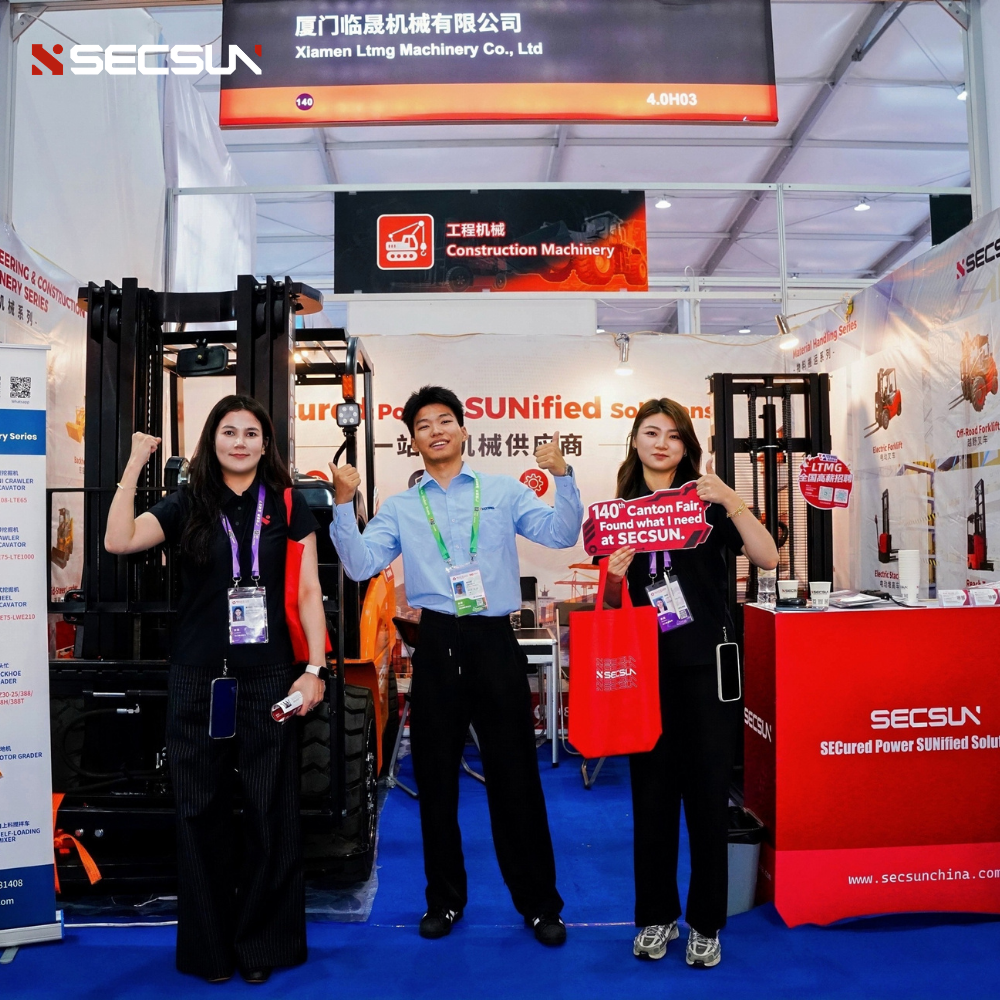 SECSUN Welcomes Global Visitors on the Opening Day of the 140th Canton Fair
 SECSUN to Attend the 140th Canton Fair in Guangzhou
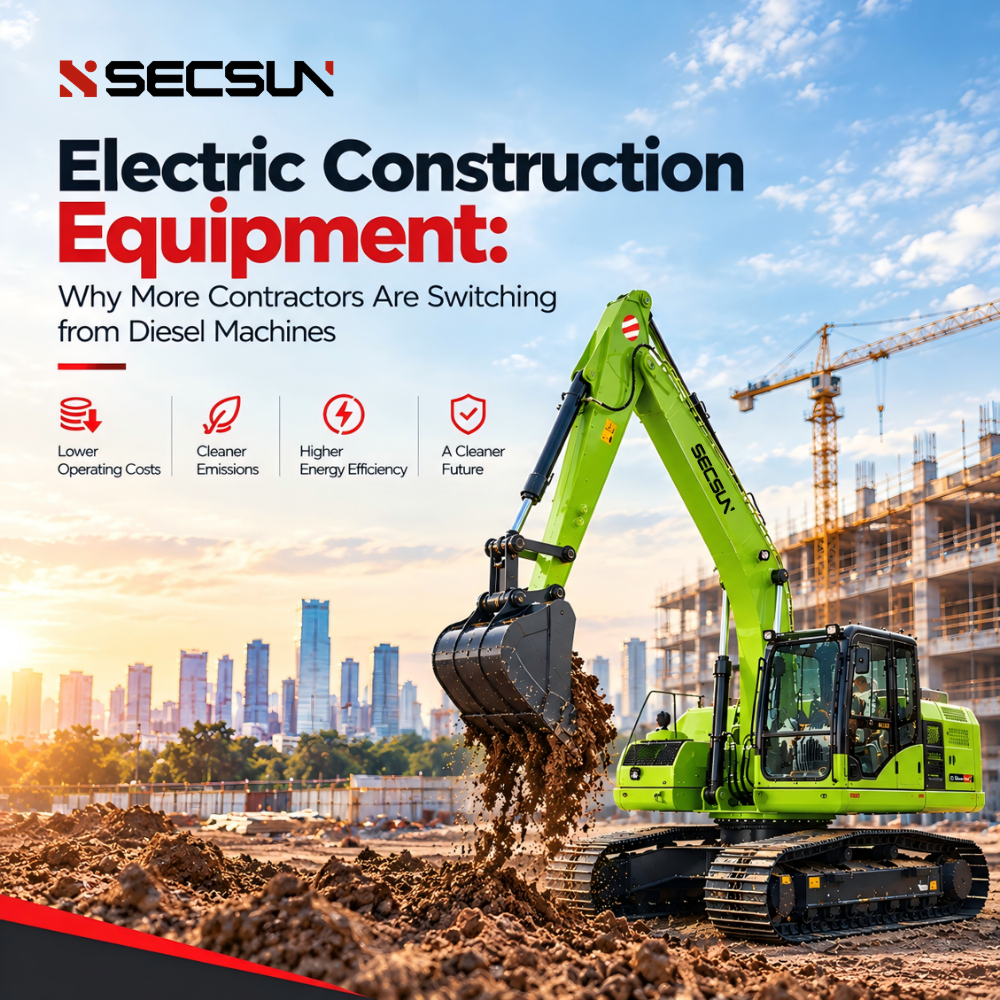 Electric Construction Equipment: Why More Contractors Are Switching from Diesel Machines
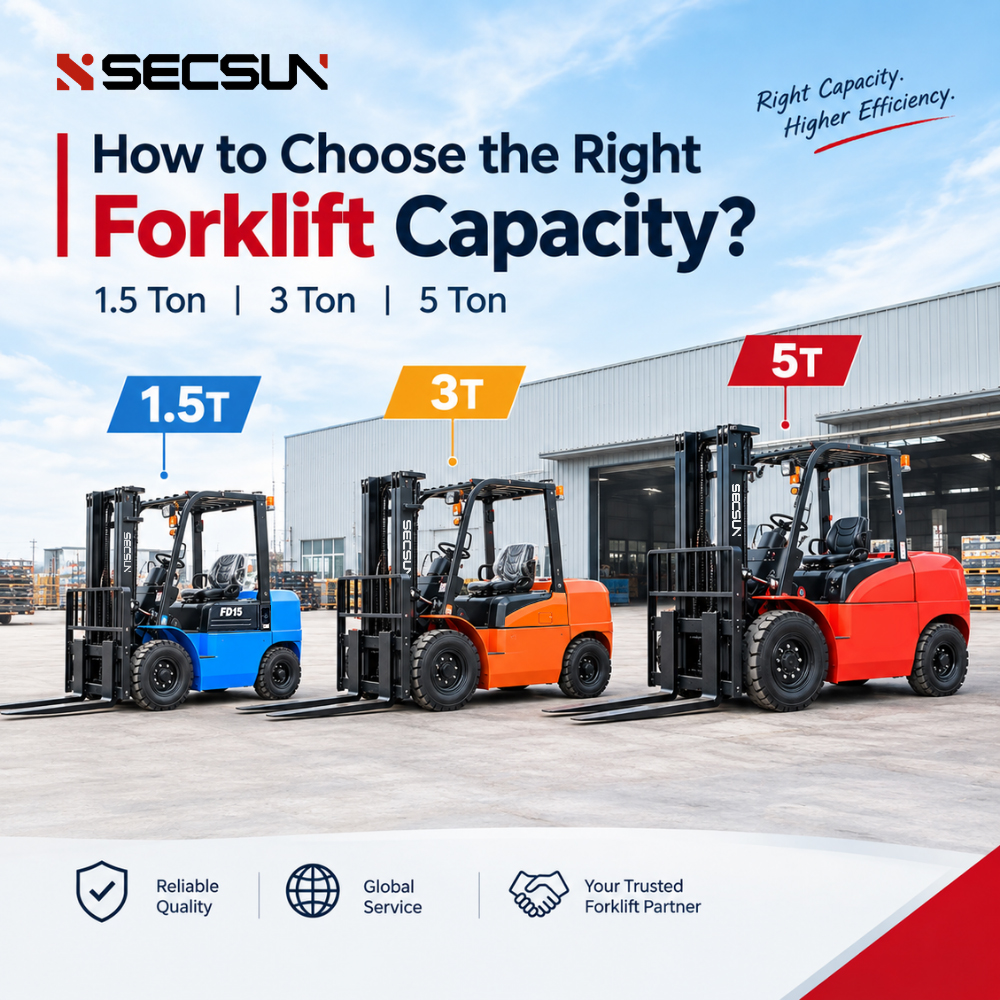 How to Choose the Right Forklift Capacity: 1.5 Ton, 3 Ton, or 5 Ton?