Choosing the right forklift is an important decision for warehouses, logistics companies, manufacturing facilities, and industrial businesses. A forklift is not only a material handling machine but also a long-term investment that directly affects productivity, operating costs, and workplace efficiency.
With the development of battery technology, especially lithium-ion batteries, more companies are comparing diesel forklifts vs electric forklifts before purchasing new equipment. Diesel forklifts have been widely used for decades because of their strong power and reliability, while electric forklifts are becoming increasingly popular due to lower operating costs, zero emissions, and better suitability for modern warehouse environments.
So, which forklift is the better choice in 2026?
The answer depends on your working environment, load requirements, operating hours, and total cost of ownership.
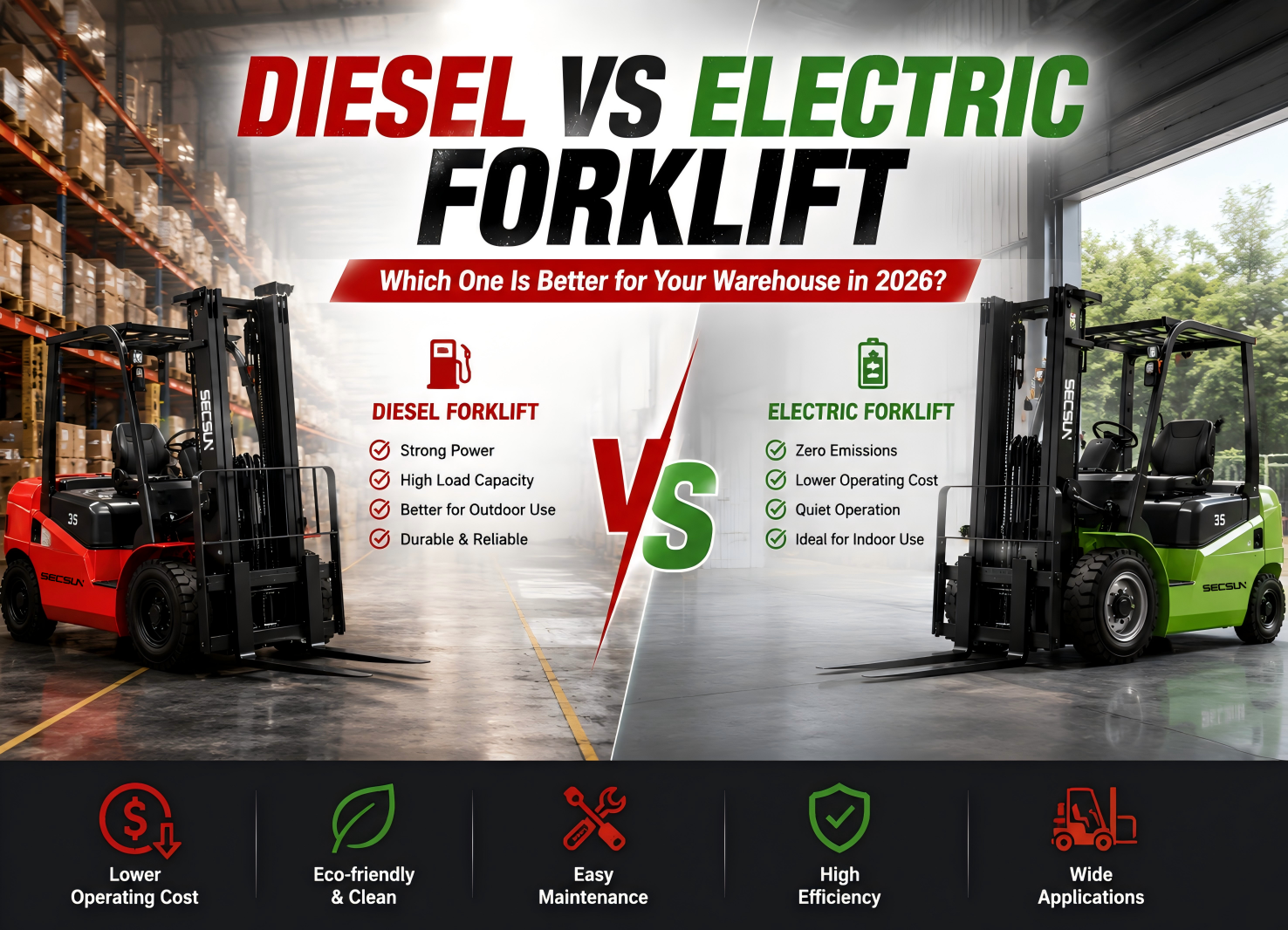
Electric Forklift: The Preferred Choice for Modern Warehouses
Electric forklifts use batteries as their power source instead of traditional fuel. With advances in lithium battery technology, modern electric forklifts now provide higher efficiency, longer working hours, and faster charging performance.
Electric forklifts are widely used in:
Warehouses
Distribution centers
Manufacturing facilities
Food and beverage industries
Pharmaceutical storage
E-commerce logistics centers
For indoor material handling, electric forklifts have become one of the most popular choices because they provide clean, quiet, and efficient operation.
Lower Operating Cost
One of the biggest advantages of electric forklifts is lower operating expenses.
Compared with diesel forklifts, electric forklifts can help businesses reduce daily operating costs through:
Lower energy consumption
Reduced maintenance requirements
Fewer mechanical components
Less equipment downtime
Although the initial purchase price of an electric forklift may be higher, the long-term savings in energy and maintenance can provide a better return on investment.
For warehouses that operate forklifts every day, reducing operating costs can significantly improve overall business efficiency.
Cleaner and Quieter Operation
Electric forklifts produce no direct exhaust emissions during operation, making them ideal for indoor working environments.
They are especially suitable for:
High-rack warehouses
Cold storage facilities
Food processing plants
Clean manufacturing workshops
In addition, electric forklifts generate less noise compared with diesel models, creating a more comfortable and safer working environment for operators.
As environmental requirements become stricter worldwide, electric forklifts are becoming an important solution for companies looking to achieve cleaner and more sustainable operations.
Lower Maintenance Requirements
Electric forklifts have a simpler power system compared with diesel forklifts.
Diesel forklifts require regular maintenance for:
Engine oil
Fuel filters
Air filters
Engine components
Transmission systems
Electric forklifts eliminate many engine-related maintenance items. Regular maintenance mainly focuses on:
Battery condition
Electrical systems
Hydraulic systems
Tires
This simpler maintenance structure helps companies reduce service costs and improve equipment availability.
Diesel Forklift: Reliable Solution for Heavy-Duty Applications
Diesel forklifts remain one of the most reliable choices for heavy-duty material handling. Powered by diesel engines, they provide strong performance and excellent durability in demanding working conditions.
Diesel forklifts are commonly used in:
Construction sites
Outdoor warehouses
Ports
Steel industries
Timber yards
Heavy manufacturing facilities
For applications requiring powerful lifting performance and continuous operation, diesel forklifts continue to play an important role.
Strong Power for Heavy Loads
Diesel forklifts are known for their high torque and strong lifting capability.
They are suitable for handling:
Steel products
Construction materials
Machinery components
Heavy industrial goods
When businesses need to move heavy loads for long periods, diesel forklifts provide reliable performance and excellent working efficiency.
Better Performance in Outdoor Environments
One major advantage of diesel forklifts is their ability to operate in challenging environments.
Compared with electric forklifts, diesel models perform better in conditions such as:
Uneven ground
Dusty areas
Outdoor storage yards
Construction sites
They do not rely on charging infrastructure, which makes them flexible for outdoor applications and remote working environments.
How to Choose Between Diesel and Electric Forklift?
The best forklift choice depends on your specific application and working conditions.
An electric forklift is usually the better option if:
Your operation is mainly indoors
You need a clean and quiet environment
You operate warehouses or logistics centers
You want to reduce long-term operating costs
Environmental performance is important
A diesel forklift may be more suitable if:
Your operation is mainly outdoors
You handle heavy materials frequently
Your working environment is rough or dusty
You need maximum lifting power
Continuous operation is required
Before making a purchase decision, companies should consider not only the initial price but also energy costs, maintenance expenses, working conditions, and expected service life.
Why Lithium Electric Forklifts Are Becoming More Popular in 2026
Lithium battery technology is changing the future of material handling equipment.
Compared with traditional lead-acid battery forklifts, lithium electric forklifts offer several advantages:
Faster charging speed
Longer battery life
Opportunity charging capability
Higher energy efficiency
Lower maintenance requirements
For modern warehouses and logistics operations, lithium forklifts provide a more efficient and cost-effective solution.
As more companies focus on reducing operating costs and improving sustainability, the demand for lithium electric forklifts continues to grow worldwide.
Conclusion
There is no universal answer to whether a diesel forklift or an electric forklift is better. The right choice depends on your business requirements, working environment, and long-term operating goals.
For warehouses, logistics centers, and indoor material handling operations, electric forklifts provide excellent advantages with lower operating costs, cleaner operation, and easier maintenance.
For construction sites, outdoor operations, and heavy-duty applications, diesel forklifts remain a reliable solution with strong power and excellent durability.
Choosing the right forklift can help businesses improve productivity, reduce operating expenses, and achieve better long-term value.
SECSUN provides reliable electric forklifts and diesel forklifts from 1.5 ton to 20 ton, offering customized material handling solutions for warehouses, factories, logistics companies, and industrial applications worldwide.
Contact SECSUN today to find the right forklift solution for your business.
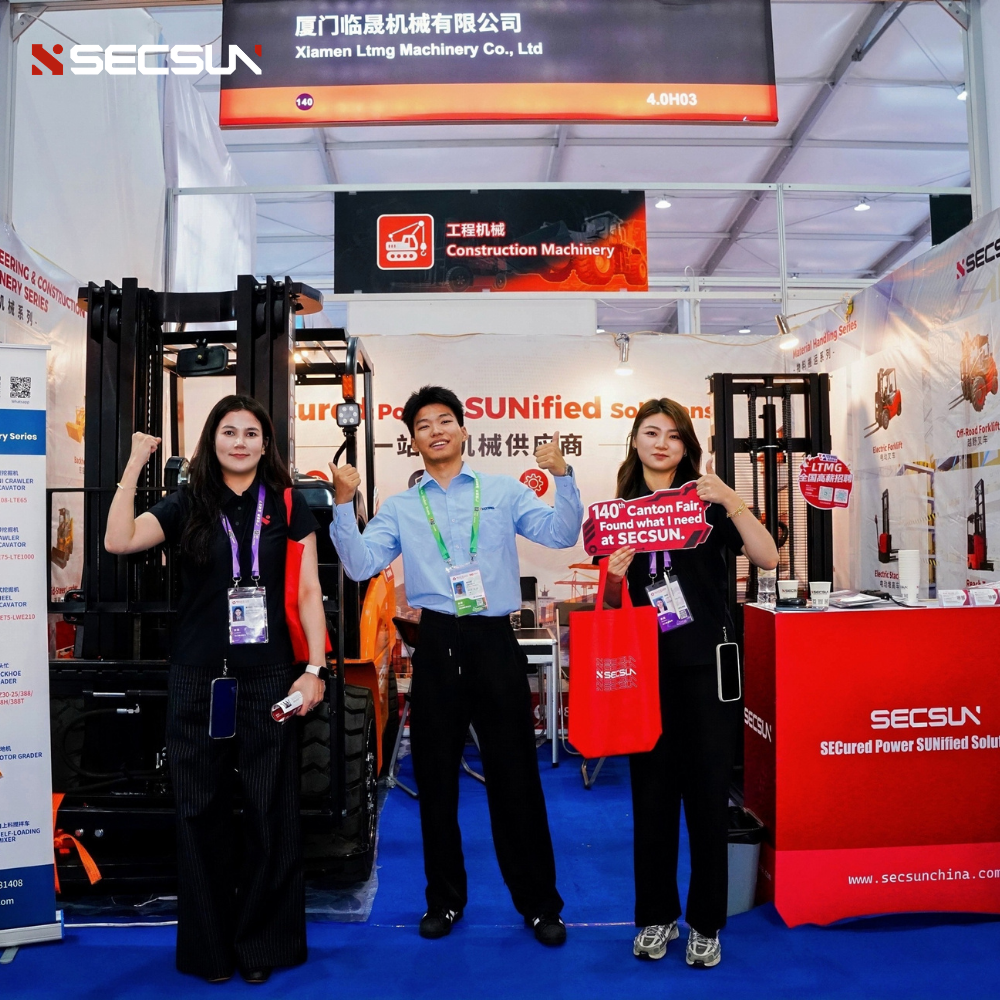 SECSUN Welcomes Global Visitors on the Opening Day of the 140th Canton Fair
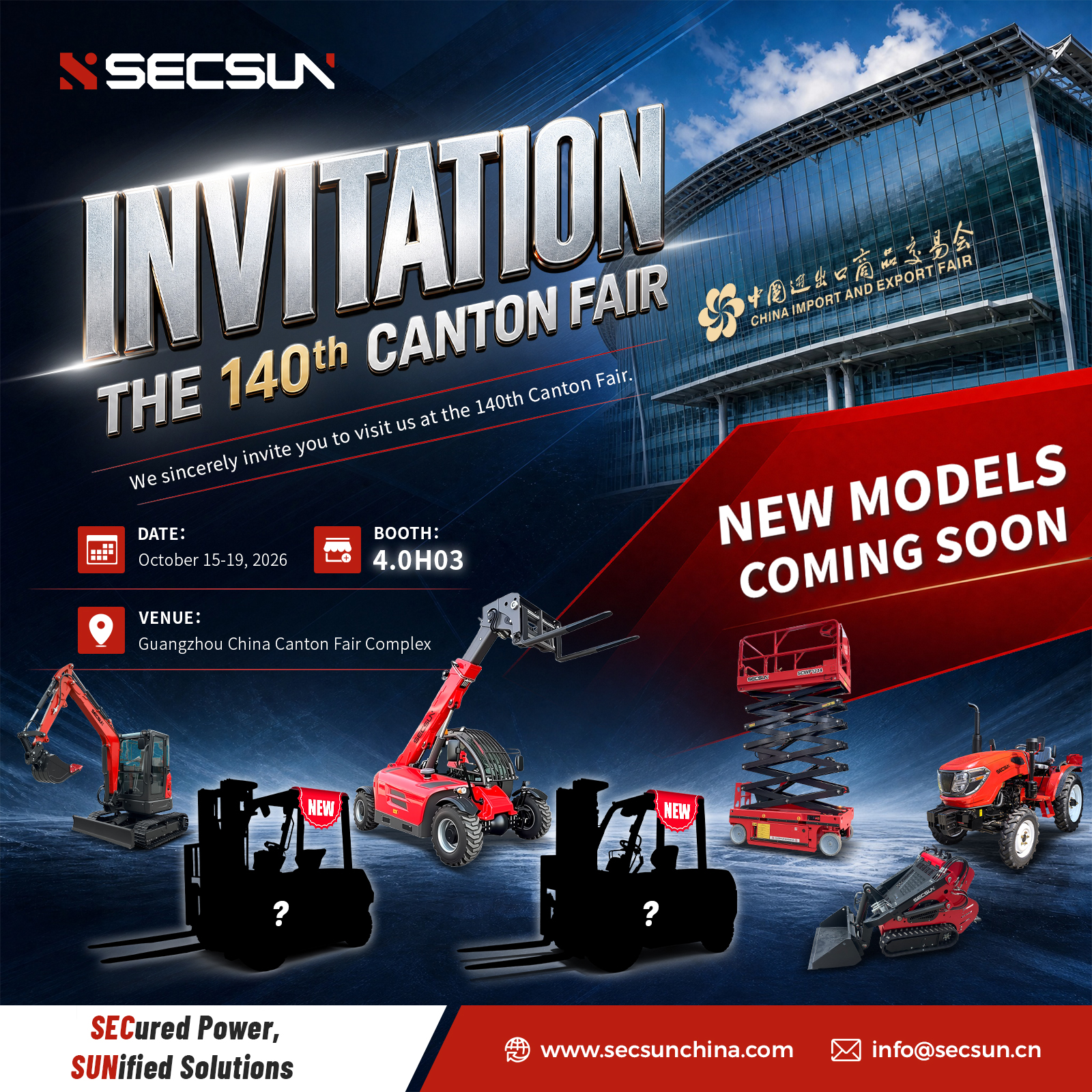 SECSUN to Attend the 140th Canton Fair in Guangzhou
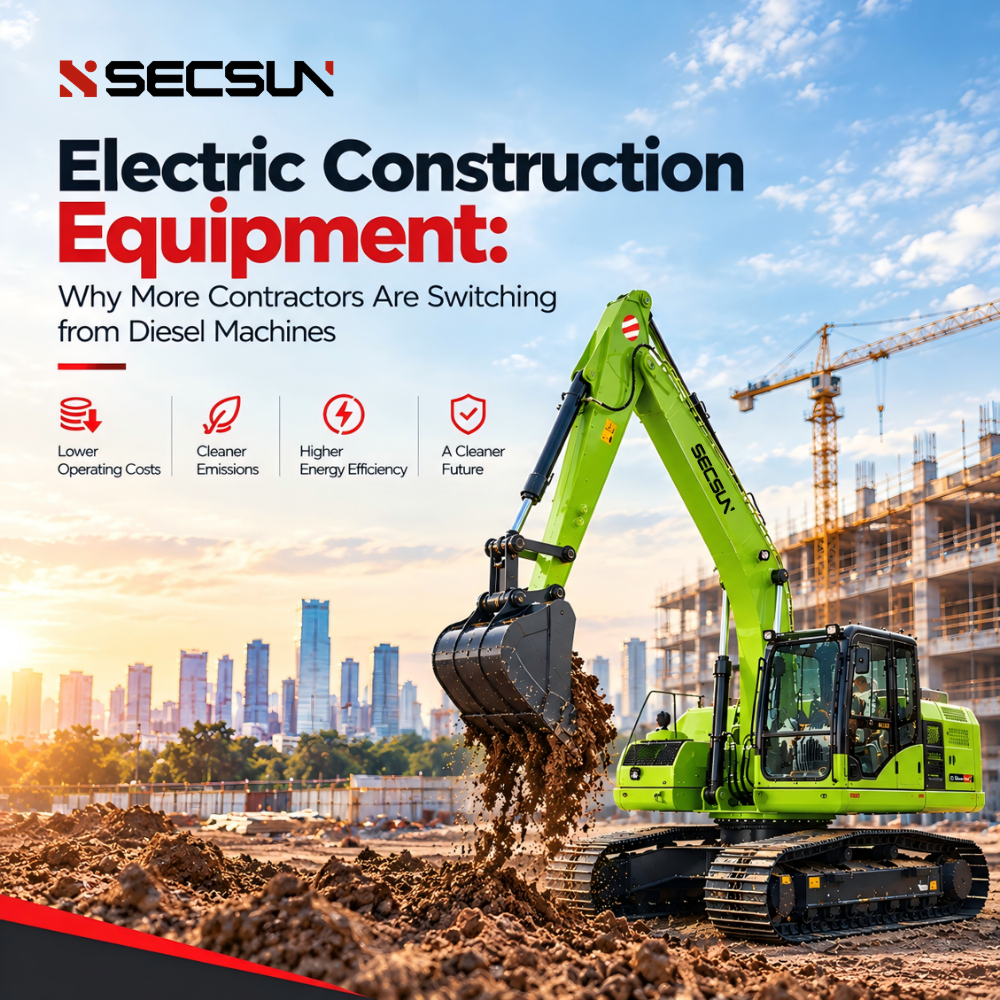 Electric Construction Equipment: Why More Contractors Are Switching from Diesel Machines
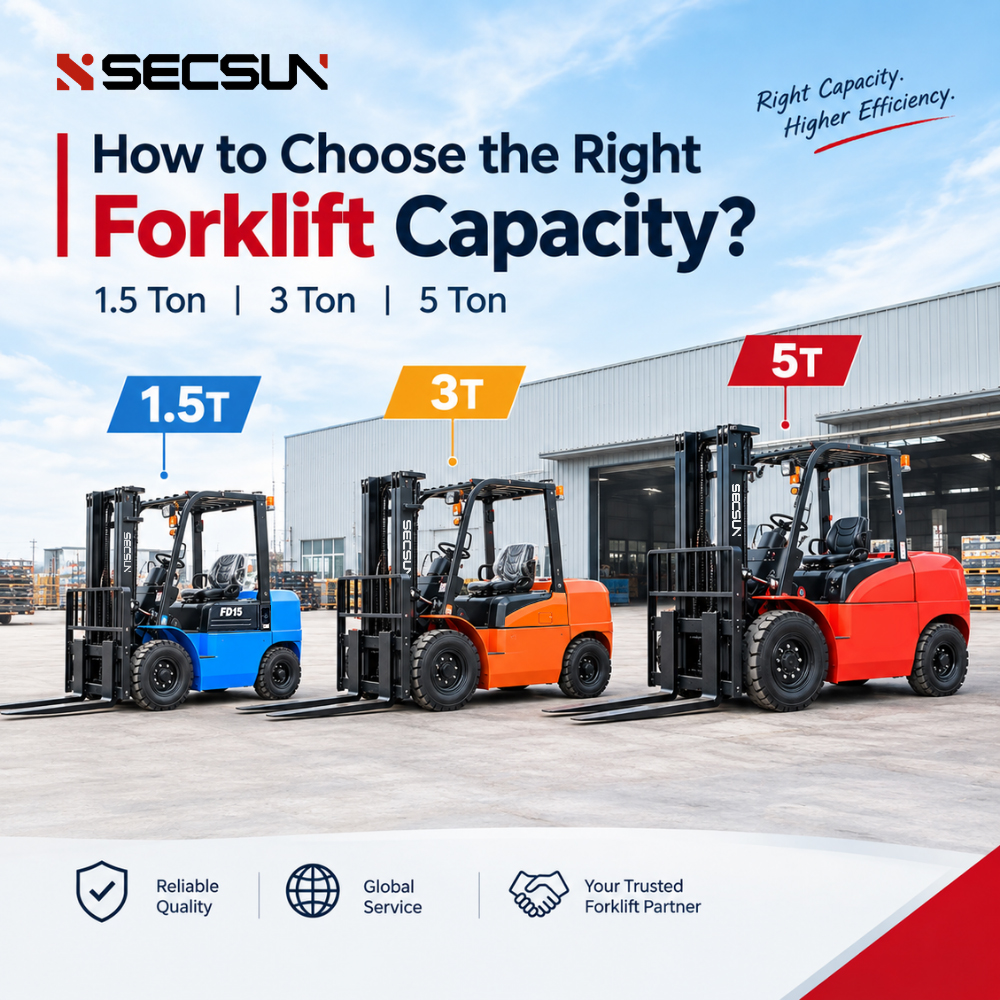 How to Choose the Right Forklift Capacity: 1.5 Ton, 3 Ton, or 5 Ton?